The following is the first of many nutrition blogs by Alex Black, Renegade Dietitian!
Food. The Renegade nutrition philosophy places a lot of focus on food. I know, it sounds pretty obvious that a nutrition philosophy would focus on food. But for my first blog I’d like to explain what I mean when I say “food”, and why it will benefit you. That said, I have to start by saying that we don’t really eat food anymore. Okay, maybe we eat some food, but certainly not the same way our grandparents ate food. Think about it. They ate meat, eggs, vegetables, potatoes, some grains, and fruit. Juice came from the fruit it was named after, and milk came from a local cow. In many cases that cow even lived in the backyard. But today we drink soda and juice blends with artificial flavorings, and we have milk that is pink. We eat things called “Pop Tarts” and “Cheez-Its”, and put purple ketchup on dinosaur shaped chicken nuggets. There is even such a thing as “tofurkey”. More often than not, food items like these come more from a guy in a white lab coat than from nature, and these products are not good for your body, your health, or your athletic performance.
So what is food? Food is anything that was once living or came from something that was. Food is anything that doesn’t have a nutrition label or a long ingredient list. Food is non-processed meat, eggs, milk, cheese, yogurt, fresh or frozen fruits and vegetables, beans, nuts and nut butters, seeds, and olive, canola, and coconut oils. What is not food? Everything else. Chips, soda, candy. Frozen TV dinners. Spam. Canned cheese. Chicken nuggets. Most nutrition and protein bars.  You get the idea. If your great-grandmother wouldn’t recognize it as food, then it is what I like to call a “food-like product”. Basically, food comes from nature and you should eat it. Food-like products come from a lab and you should do your best to steer clear of them. Let me put it another way: do you want to eat something that has to be proven safe by research? Or something that humans have been eating for generations?
What’s the big difference? There are a few things that make processed foods less optimal than whole foods. These include trans fats, high levels of sodium, hydrogenated oils, and refined sugar, especially high fructose corn syrup. All of these things have been linked to one or more chronic diseases. In addition, many processed foods are much lower in vitamins and minerals but more dense in energy (or calories) than whole foods. And while athletes tend to need more total energy than the average person, too much energy at one time can make you feel lethargic. Think of the food coma you have after a high fat, energy dense meal or snack. Or that slump you feel one or two hours after eating a bagel or drinking a large coke. The food coma happens because fat slows the speed that your stomach empties after eating, so the food sits in there for a long time before it can be processed and used as energy. The crash happens because after eating or drinking something high in sugar, your blood sugar makes a big jump. This tells your body to make a lot of the hormone called insulin, which helps your body use carbohydrates and sugar for energy. But then the insulin makes your blood sugar drop low, which makes you tired and lethargic. Neither of these are awesome feelings to have before a workout or competition, but pre-exercise is the exact time you want to be feeling your most awesome.
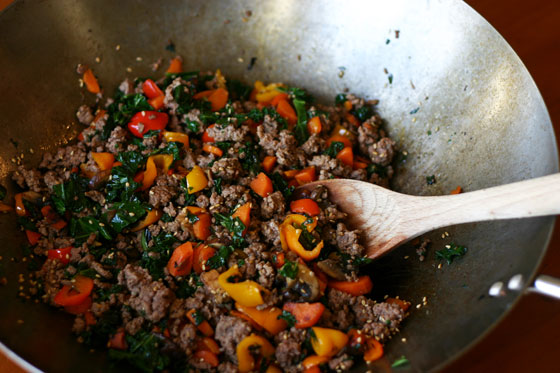
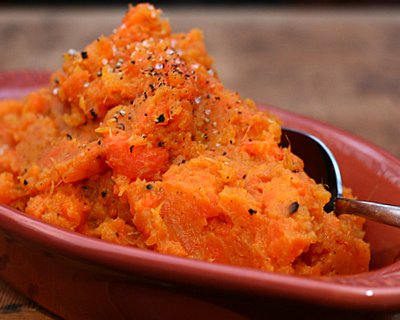
The Solution: Eat real food. I’m talking fruits and vegetables. Meat. Eggs. Dairy. Nuts and seeds. Oils. Try fruit and nut butter, a smoothie with Greek yogurt and fruit, or some nuts and dried fruit before your next workout. Next week I will get into the different nutrients that provide you energy (carbohydrates, proteins, fats), how much of them you need, and the best times to eat them. But for now, I will leave you with the recipe of the week: beef stir fry and sweet potatoes. It’s easy to make, has mostly common household spices, and tastes great as leftovers (and I’m very picky about leftovers). I made this for myself and got 2 lunches and 2 dinners out of it, but for a family you may want to double the recipe.
 Beef Stir Fry with Sweet Potatoes
1 lb ground grass-fed beef or buffalo (or a mix of the two)
1 orange bell pepper
1 green bell pepper
1 medium yellow onion
3 medium sweet potatoes
½ tsp ground cumin
 1 TB dried oregano
Salt and pepper to taste
1 avocado
Preheat oven to 425o F and cook sweet potatoes wrapped in foil for 20-30 minutes, or until you can easily poke through them with a fork. While those are cooking, brown the ground meat. Add in onion and bell peppers and cook until tender. Add spices and mix well. Mash sweet potatoes and serve beef and vegetable mixture over them. Top with avocado. Note: if making additional servings for leftovers, hold the additional avocados until the next meal or they will brown.
Why this recipe is awesome: This makes a great post workout meal. The carbohydrate in the sweet potato will replace the glycogen (the body’s stored form of carbohydrate) lost during exercise, and the meat will provide protein to help repair the muscle broken down during the workout. If you don’t add too much salt, this meal is lower in sodium and the good fats in avocado will help with inflammation.