Rest Day 8/13/15: How does sport specificity play into your training? – Share Thoughts

Rest Day:

The Renegade Rowing Team after a sunset row on the Charles River!

How does sport specificity play into your training?

When training with constantly varied, functional movements, performed at high intensity the focus is to build general physical preparedness.  The pyramid model of training has a base made of nutrition that supports metabolic conditioning, gymnastics, weightlifting, and a peak of sport.  So if the ultimate goal of our training is to compete in a sport and do so with super health and elite fitness, how do you work sport specific training into your daily/weekly routine?

In the sport of rowing it definitely helps to have as much water time as possible to become efficient at moving the boat.  One downfall of spending every hour in a boat can be a decrease in strength, power, and overall fitness.  How do we get enough time in the boat and still maintain our power and fitness?

I’ve combined the two – 1. Rowing on the Water with 2. Metabolic Conditioning and Strength Work – in the gym.  I’ve tested this program with the Boston College Men’s Team  over the past two years.  For a two-hour practice we row for 15 minutes, run a mile to the gym, do a 45 minute session at Our Crew Fitness, run a mile back to the boat, and then row back to the dock for another 15-20 minutes.

Having experienced this, I’m very excited to bring this Renegade Rowing programming to more rowers.  It allows for a sport specific warmup and cool down while mixing in an endurance aspect with the running and overall amount of work done in a two-hour practice.  The workout in the gym allows us to focus on building strength and power.  The best part is that with the right focus this work can be used for skill transfer to rowing.  While it’s not sport specific work, there are aspects that can reinforce the sport specific skills needed when we get back in the boat at the end of practice.

The absolute best part though is the Fun!  A two-hour practice of competition and fun, both on the water and in the gym.

Please share your thoughts and methods for combining sport specific training with general physical preparedness.

If you’d like to join in and train Renegade Rowing style this fall please get in touch with me … pat@renegaderowing.com

Rest Day 8/6/15: What Competition are you training for this Fall? – Share

Rest Day:RRT13 Racing at ROR

What Competition are you training for this Fall?

An easy goal to kick-start a training cycle and get yourself motivated is picking an event to compete in.  As we come to the end of Summer and Fall picks up there are tons of fun competitions to look forward to.

What are you training for in the next couple of months?  Who are you training with?  Challenge a training partner to compete with you.  Share what competitions you’re training for to comments!

Connection and Speed – Skill Transfer between Olympic Lifting and Rowing

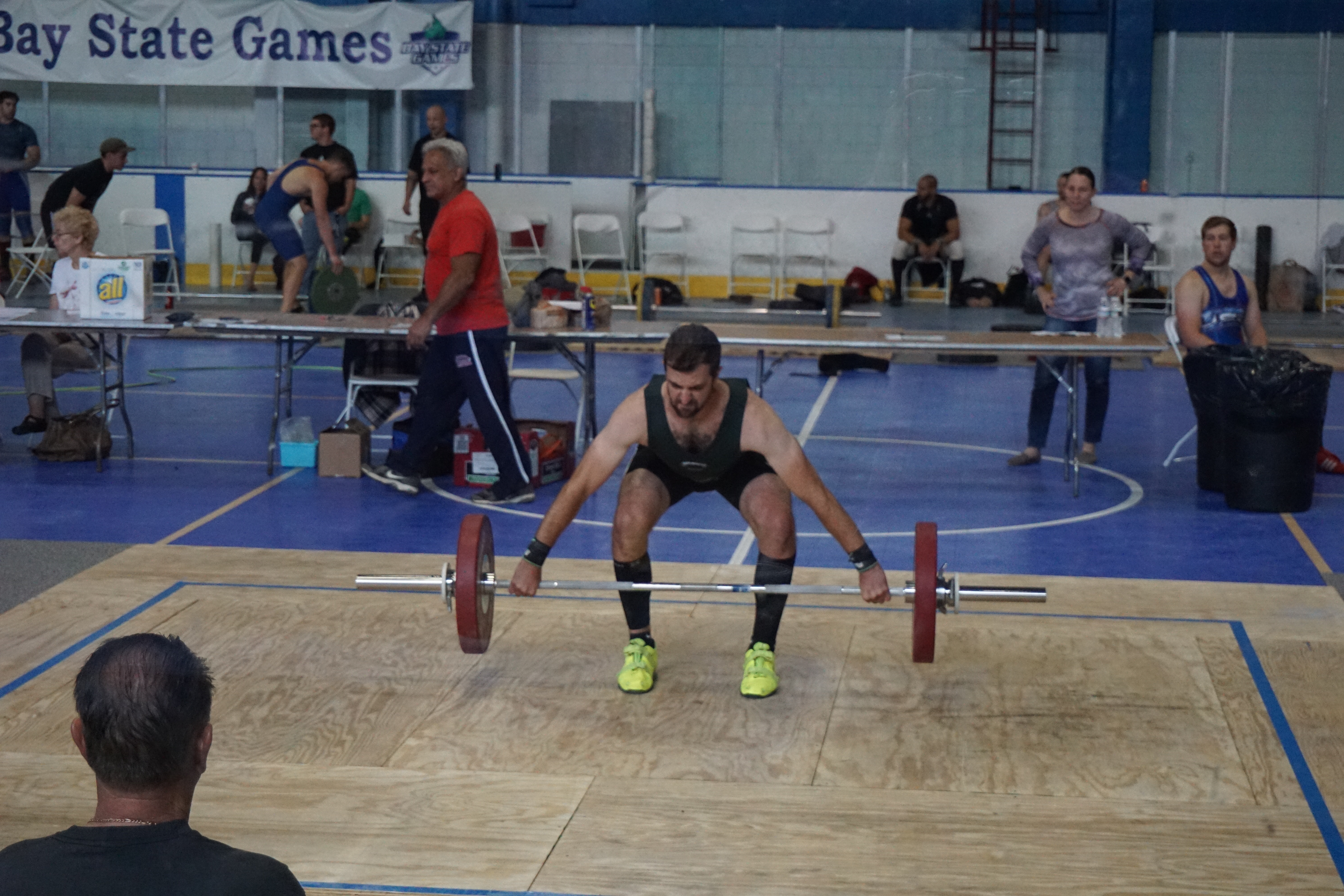
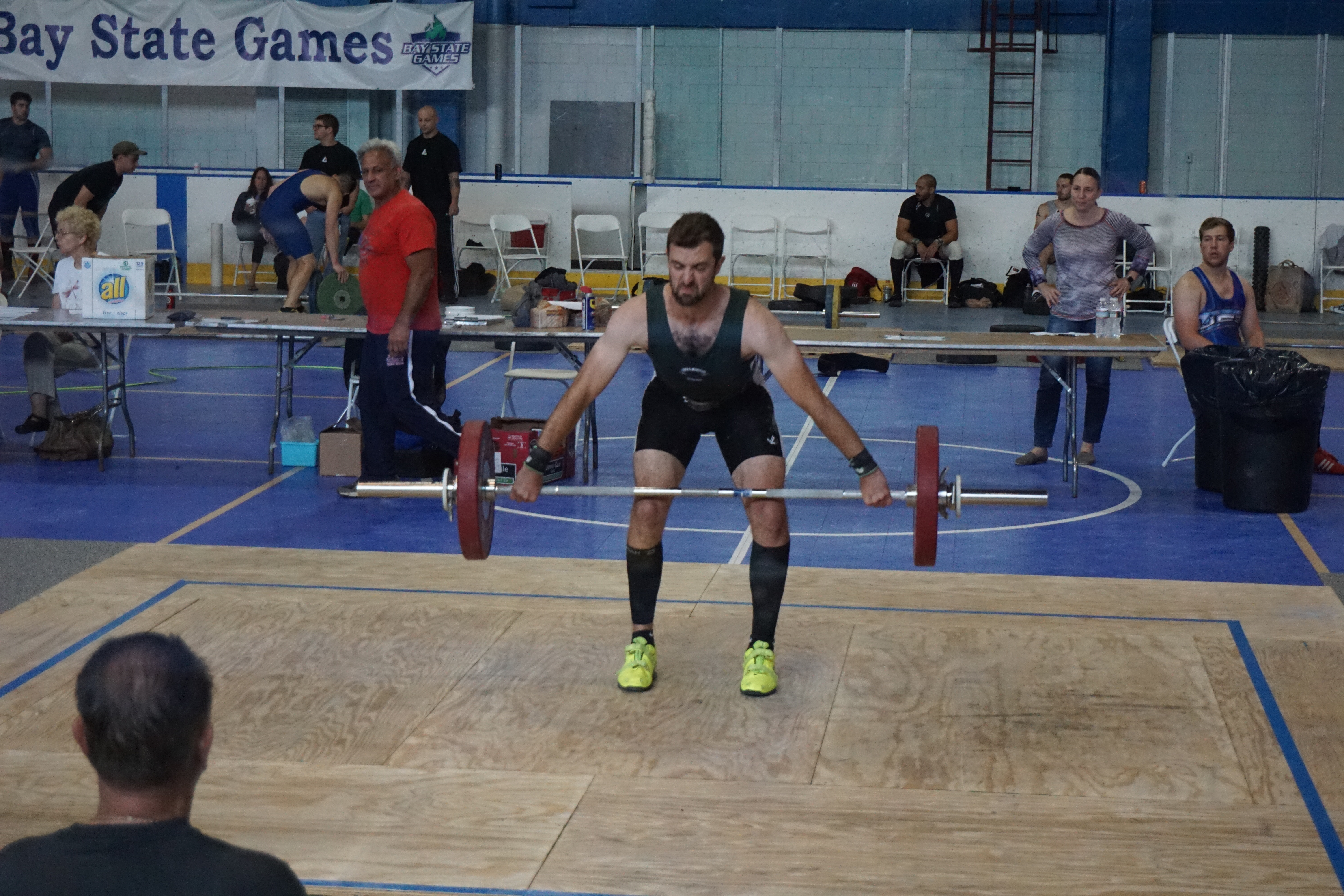
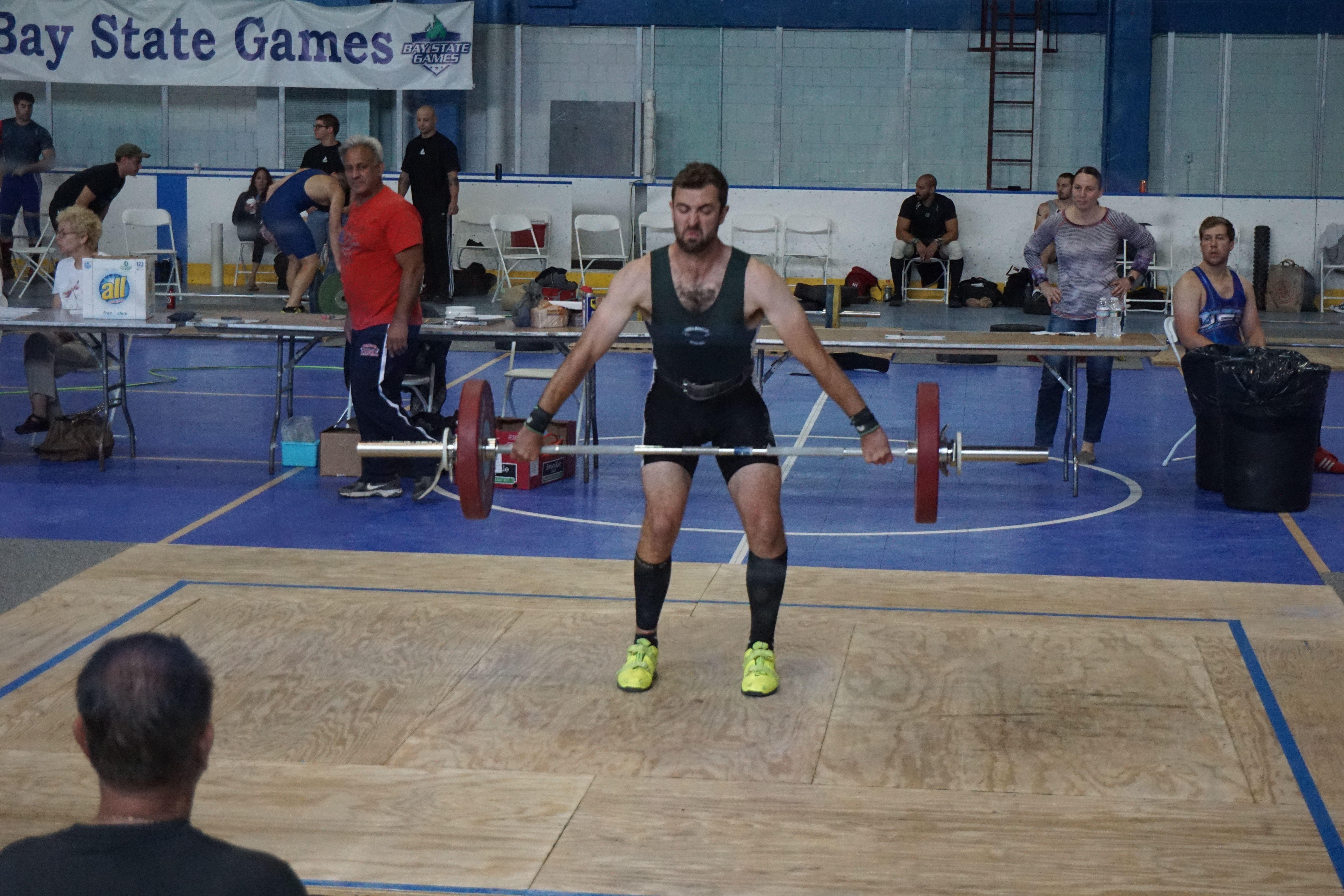
DSC00100Olympic Lifting and Rowing?

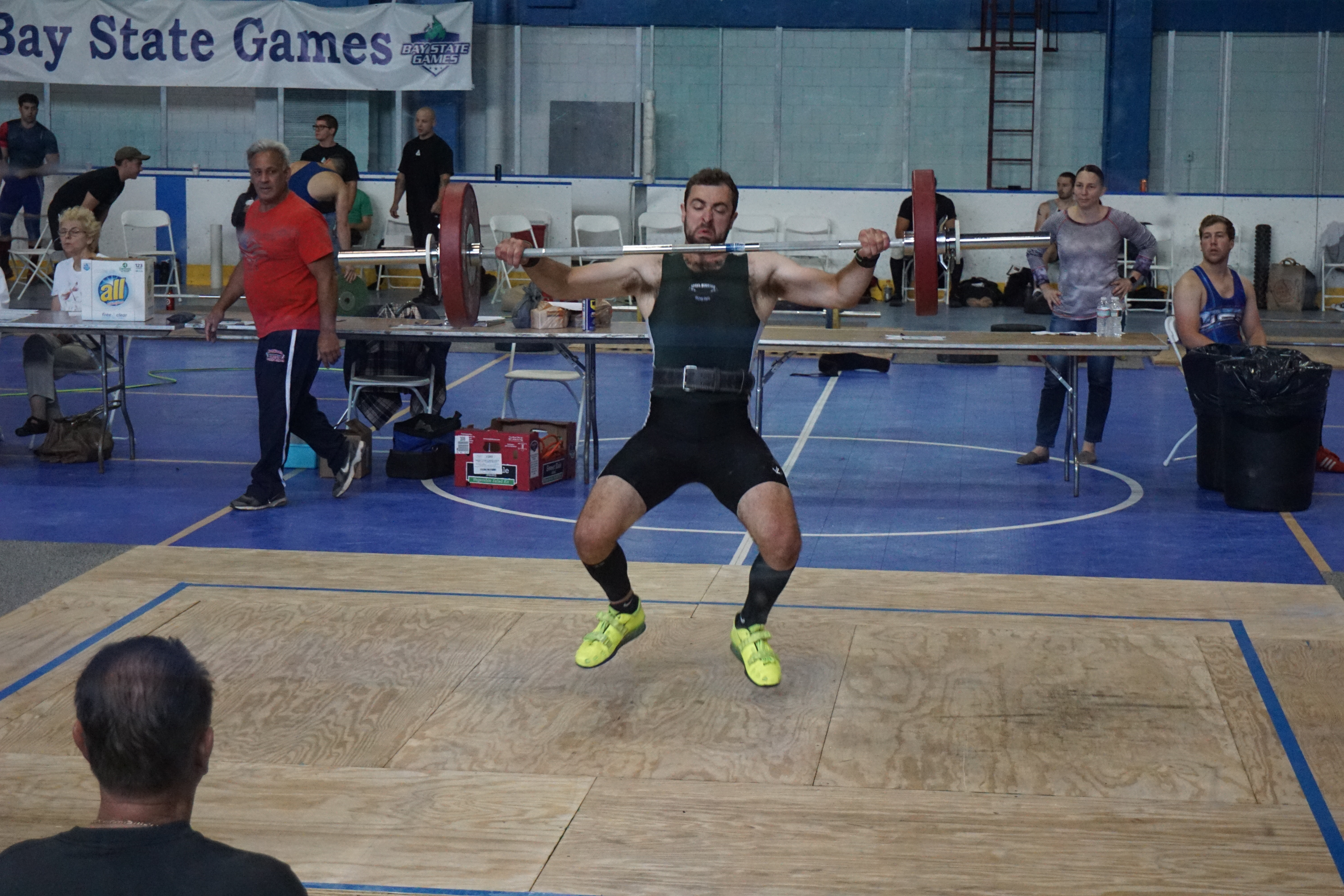
What do you think about using Olympic Lifting in training to be a Rower or using Rowing to be a better Olympic Lifter?  Both require speed and power and incorporate similar movement patterns.  However, in rowing you sit down and are in contact with three surfaces.  DSC00102In Olympic Lifting you are only in contact with two.  In Olympic lifting the goal is to transfer forces vertically and in rowing the goal is to transfer forces horizontally.  Where do you see the most benefit in training with both?  Are there downfalls?


DSC00103One skill, concept, and idea that I keep coming back to is Connection.  Coaching people in the gym and on the water allows me to see many different movement patterns and levels of ability.  Athletes that grasp this idea of connection from one joint to another and one external object to another are able to learn faster, create more power, and transfer skills to other movements.  DSC00105Learning to connect the hips to the hands as you initiate a movement or connect your feet to your hands at the catch, both in rowing and snatching, is invaluable.  Once this skill is perfected the possibilities are endless.

DSC00106In the Spring I introduced the snatch to the BC Men’s Crew Team.  While we only worked with PVC pipes to begin with and 45# bars in the workout, the importance of generating speed through the middle of the drive and being turned on at the catch became apparent.  Those that had explosive hip extension from rowing and knew how to create speed on the oar through the middle of the drive in the boat had a lot more success transferring that skill to the barbell.DSC00107


Using the Clean and the Snatch to generate speed on the drive through good connection is a lot of fun.  Rowers become athletes and are empowered to push harder by learning new movements and finding power they never knew they had.DSC00108  It’s also a lot of fun seeing olympic lifters and other athletes learn to row because it helps them to find more connection and speed in their lifts.

Post your thoughts to comments!  Any experience transferring skills from one sport to another?DSC00109


DSC00110


DSC00111


DSC00112


DSC00113


DSC00140

Video Review: Coach Pat – The Pistol and Rowing – Can you do a Pistol?

Two very important skills required of elite athletes and rowers are balance and strength.  Have you ever seen a standing shove?  That’s the level of balance we need.  Have you ever seen good scullers take the Weeks Turn or the Elliot Turn super tight during the Head of the Charles Regatta?  That’s the type of strength we need to combine with balance and we need to have it in both legs independent of one another.

Mastering a pistol, or single legged squat, will help you develop both balance and strength.  In order to do a good pistol mobility is super important.  Be sure to work on mobility everyday.  Below is a video I put together of all the different progressions I will use to help an athlete develop their pistol.  See where you fall and then start working from there.

Have Fun training and let us know what you think of pistols!

Can you do a pistol?

Video Review: Coach Pat – The Push Up, Pull Up, and Rowing – Are you taking advantage of Full ROM?

When’s the last time you performed a Push Up or Pull Up?  When’s the last time you Rowed?  Now that we’re on the water it’s probably every day.  Regardless, anytime you draw through the finish whether on an erg or in a boat, you are putting your upper body into a similar position and movement pattern as the push up and pull up.  It’s the strongest, most efficient way to get yourself off the floor and send a boat.  If you need to move more weight and create more power in a race you will need a strong position at the finish.  That is where we can take advantage of practicing and training full range of motion push ups and pull ups.

I believe that if you can learn to move your body weight from the floor to a plank position or from underneath a bar to touching the bar with good form, you can and will become a better rower.  The key is how you push, pull, and what you focus on.  Here is a video review of Coach Pat and what he thinks about in regards to push ups, pull ups, and rowing.  Check out what he does well and look for things he can do better.

What parts of these movements can we tie to the rowing stroke?  I always teach the skills of 1. Posture, 2. Control, and 3. Connection whether it’s rowing or strength training.

1. Posture – How am I doing at maintaining a solid brace through my torso?  Is there any movement within the vertebrae of the spine?

2. Control – Is my body in one straight line the whole time I perform the movement?  Am I in control of my body at all points in time? Can I stop at any point in time and be in a strong position?

3. Connection – How are my hands connected to the box/bar/or floor?  How are my feet connected to the floor?  Are my hips, torso, and shoulders connected and moving together through the whole range of motion?

After taking a look and answering some of these questions, think about your own stroke.  In the front end of your stroke, from 1/2 slide up to the catch and back, how do your joints move in relation to one another?  Can you stay connected?  Do you break or tense your arms early?  Is your shoulder and upper body strong enough to connect the power coming from your legs to your hands?  Do you feel or see any similarities when you perform push ups, pull ups, and rowing back to back?  How’s your posture and brace at the finish? Can perfecting these movements help improve your rowing?

Please share your thoughts to comments and I’ll get back to you with feedback.