How do you game your WODs? When attacking a 2k row a good way to game it is to think of 4 different races in your head. Each one is a fresh start to hold your ideal split, stick to a stroke rating, refocus and fight. Today’s Rowing WOD is all about that mentality. Before going into it be sure to warmup your deadlift and do a few bursts on the erg at the split you aim to hold for each piece.
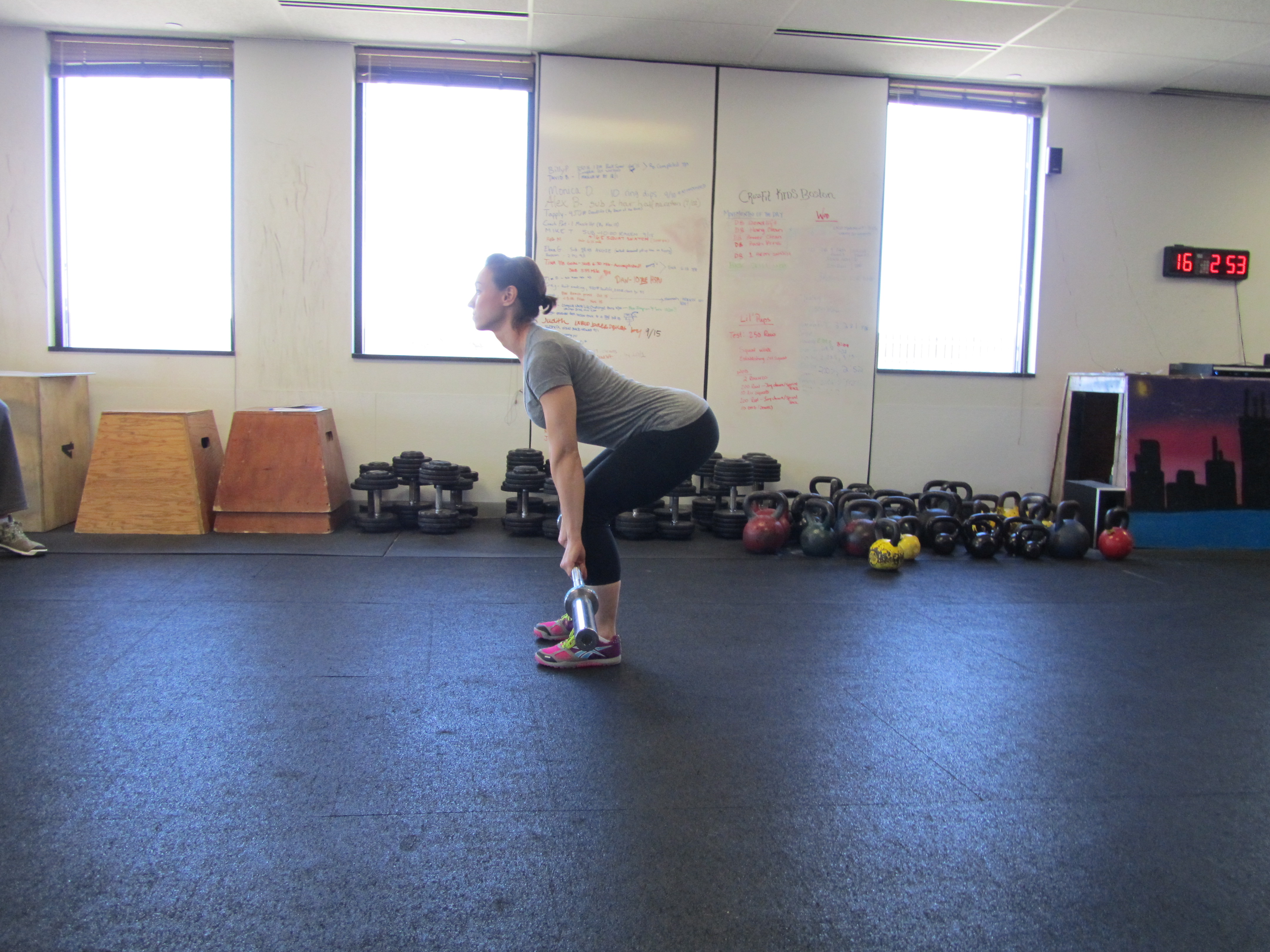
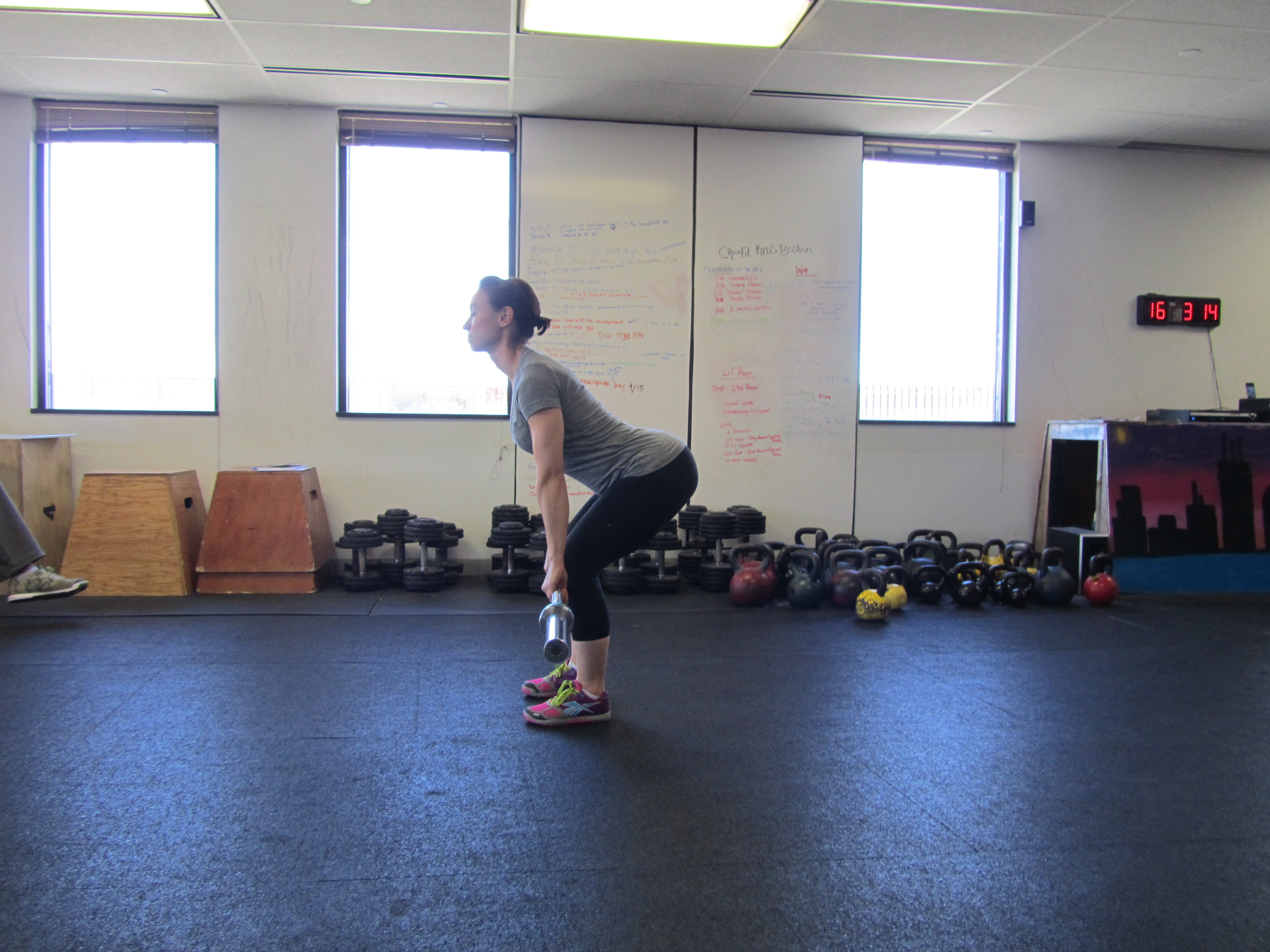
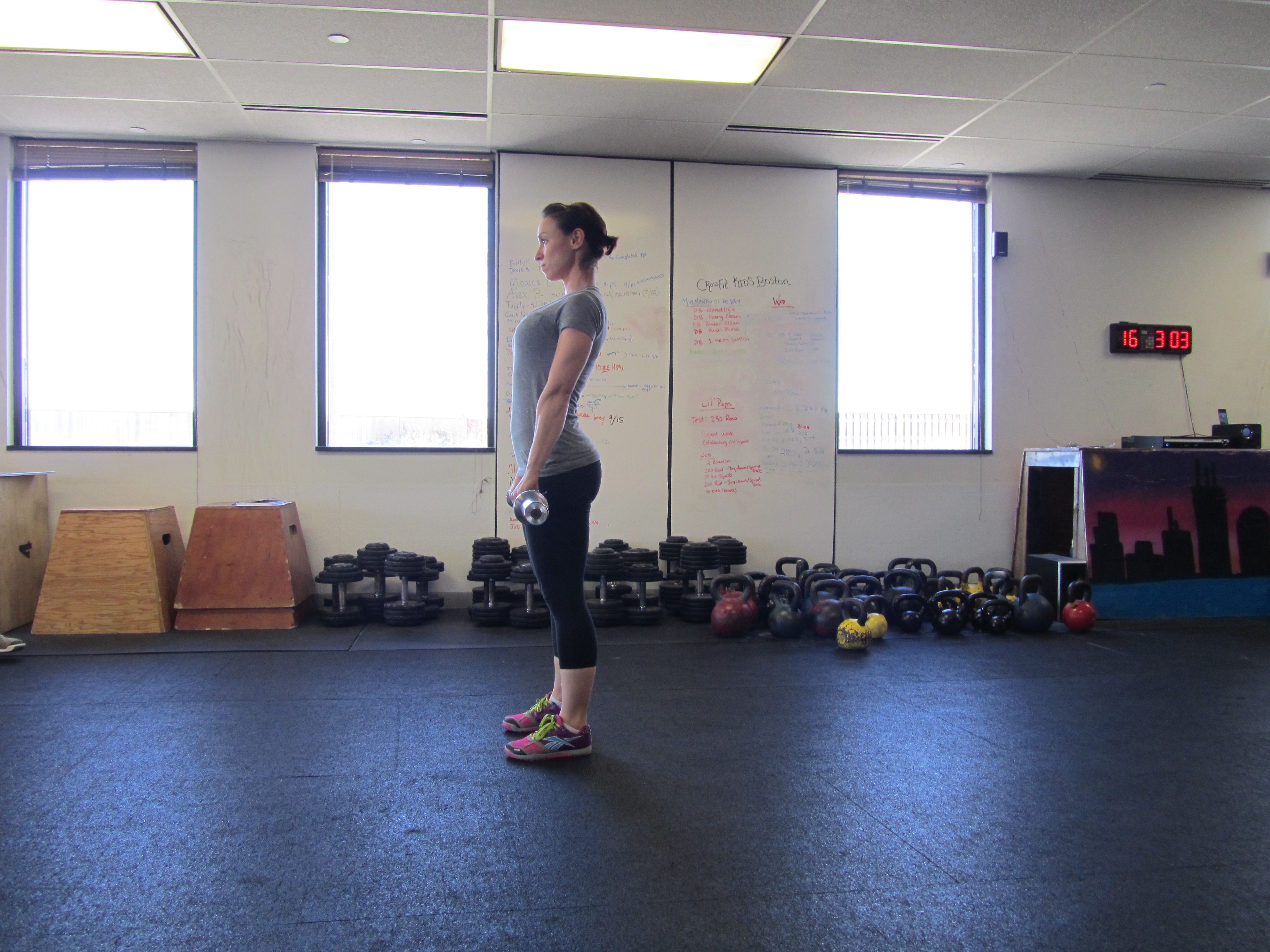
Drive through the heels!
Think of each set of deadlifts as a power 10 to walk through your opponents. Drive those heels down, make that boat feel light, and crush them!
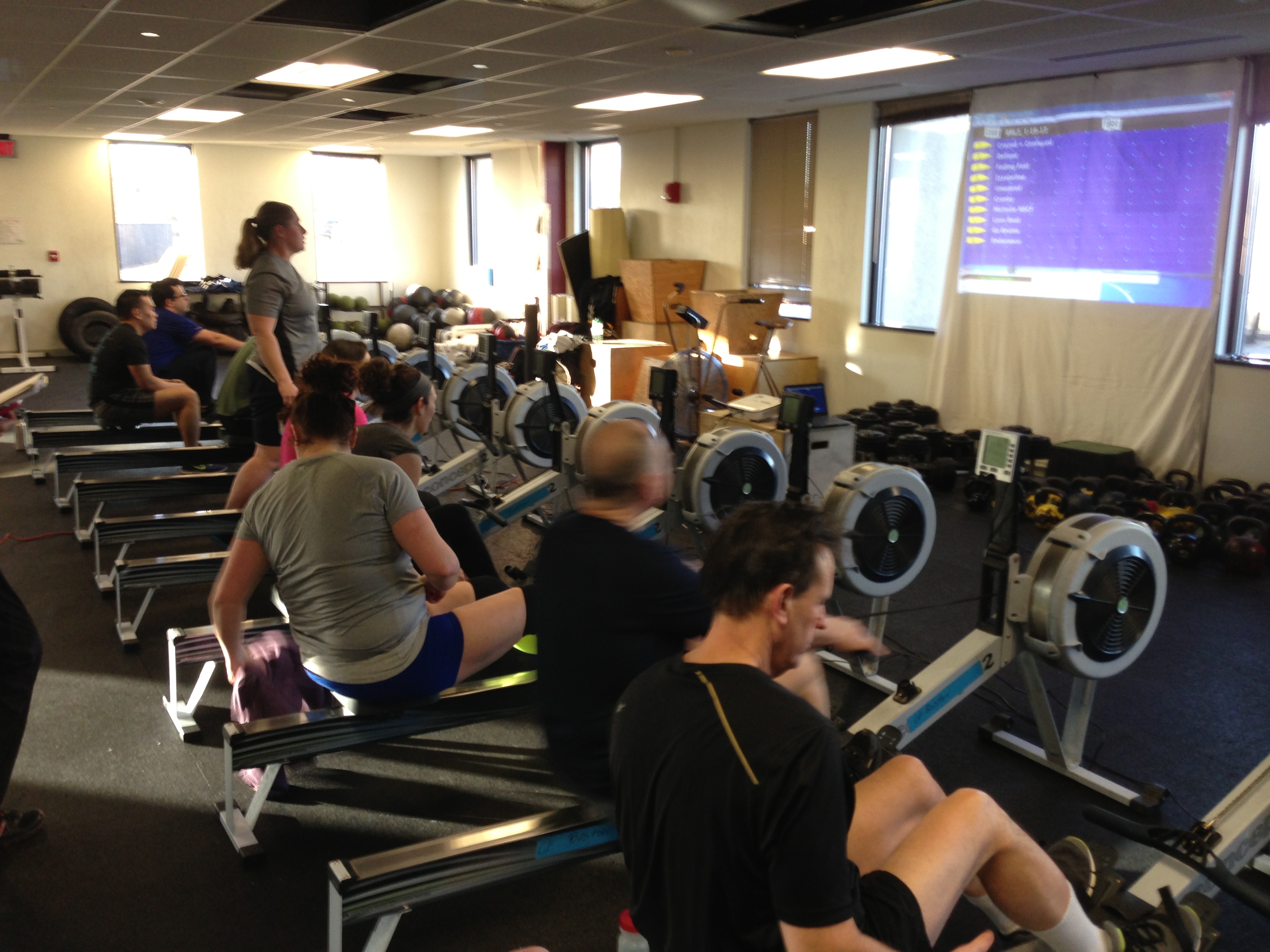
Some friends doing something different on a Saturday morning! Competing at the Renegade Rowing League! Who’s ready for tomorrow?
All For Time …
1. 500m Row (like start of 2k)
2. 3 Rounds Of:
5 Power Cleans (135/95 lbs)
10 Burpee Broad Jumps
3. 500m Row (like finish of 2k)
Today’s Rowing WOD is an opportunity to practice both the beginning and end of your 2k race plan while developing power with the hips. Treat each 500 as if they were your ideal 2k. For the first 500m perform your starting sequence with a race start, high 7-10 strokes, and settle to race pace. During the Power Cleans and Burpees work on efficient movement and connection through your hips. Try to go unbroken and consistently jump the same distance for each broad jump. If you’re still working technique for the power cleans, substitute 3 med ball cleans for every power clean to build up your strength and conditioning. As you come into the last 500m you will be feeling it just like the 2k, so focus on breathing and holding onto race pace. When you hit the last 250m start to negative split and practice your sprint for the finish.
Post your overall time to complete all three parts to comments along with your average split for each 500m.
From time to time it can be beneficial to look at yourself on camera. No we don’t care about the aesthetics or the fashion. We’re looking to gain feedback and a mental picture. We’re looking for just one or two cues that might give us a smoother, more powerful stroke. What’s going right? What’s going wrong? What can we do better?
You should be asking yourself, “What do I look like now? How do I move now? What could use some extra focus and improvement next time?” Don’t dwell on to many things at a time, just find one or two things that might make your life on the erg or in the boat a little better. Go work on them. Then reassess in a couple of weeks.
The Renegade Rowing Club has agreed to help everyone by taking a look at their strokes. If you’d like feedback similar to this, post a 20 second clip of you rowing to YouTube and share it with us in the comments of this post. I’ll do my best to give you a couple of things to work on!
For each of the following videos I’ll be ranking each rower on their posture, control, and connection. I’ll use a five point scale where 1 = poor and 5 = perfect. When dealing with posture we’re looking for the torso to be stacked and strong at all times. When talking about control we are looking at the smoothness of the recovery and how the seat moves toward the catch. Does it rush forward for the next stroke? Is there control in the last few inches of the slide to change direction without pushing the boat backwards? Last and most important, connection, are the seat and handle connected and moving together into and out of the catch as if connected by a belt.
Take a look and share what you might focus on next time you row!
Posture: 3, Control: 3, Connection: 2
Feedback: Nice job getting the body over. Don’t let the seat stop at the catch. Be ready to push with the legs the second you hit the catch and keep the seat and hands connected.
____________________
Posture: 3, Control: 3, Connection: 4
Feedback: Nice horizontal hands. Don’t let the handle pause at the finish. Focus on quicker hands away as if there were opposing magnets on the handle and your chest trying to push those hands away out of the finish.
____________________
Posture: 4, Control: 3, Connection: 3
Feedback: Great posture and nice job getting the body over. Try not to be so rigid and don’t break the elbows as you initiate the drive. Relax a little on the recovery and make everything smooth.
____________________
Posture: 3, Control: 2, Connection: 3
Feedback: Nice job getting the arms extended and ready for the catch. Try to not be so robotic and rigid at the finish. Focus on quick and smooth hands away. The handle should always be moving.
____________________
Posture: 4, Control: 3, Connection: 2
Feedback: Good posture and nice horizontal hands. Don’t let the shoulders and torso reach for more at the catch. Focus on staying connected as you approach the catch. See if you can get the body over and find that reach earlier in the recovery, before you get to half slide.
____________________
Posture: 3, Control: 4, Connection: 2
Feedback: Great work getting your body over on the recovery and getting prepared by half slide. Don’t let your posture go as you approach the catch. Focus on bringing the handle with you as you push the knees down. The first inch or two of the drive you are shooting the slide, so keep a big chest and solid abs/back as you push.
____________________
Posture: 3, Control: 3, Connection: 2
Feedback: Nice power and push on the drive. Try to keep your hands on one level plain and don’t let them drop coming into the catch. Focus on pointing the toes as you finish and then getting the proper sequence of arms away first, bodies over, and then knees come up during the recovery. Everything blends, but that’s the order of firing in terms of sequence.
Today’s Rowing WOD will be a good burner to get your lungs going and allow you to really focus on a solid core. The double unders and kettle bell snatches are technical and require a higher focus on skill and efficiency. For the double unders try to keep your wrists loose and get into a good flow that you can maintain. A good goal would be to go unbroken for a minute. With the one arm kettle bell snatch focus on driving through the heels and getting good hip extension to move the weight. A bonus for the KB Snatch is that it requires you to keep a stable core and not allow your torso to rotate. Any movement that involves an anti rotation component and stabilizing of the core is good for rowing. Every time we reach out to the rigger in sweep rowing there is both a compression and rotation on our spines, which can lead to disc injuries over time. By strengthening the core and resisting rotation we can prevent those injuries from happening. So keep that chest up and don’t let the shoulder drop too much through the bottom! Here is a good link from Rogue Fitness on the Kettle Bell Snatch: http://youtu.be/6l2Iu26oWW8
When rowing on the water balance and single leg strength come into play much more than rowing indoors on the erg. Exercises like the pistol (single leg squat) really help develop the sense of balance and power needed to move a boat. Think about making a big turn in a sculling shell mid race, like any of the turns in the Head of the Charles. A sculler must be able to balance (a.k.a. set) the boat and transfer force to the water. Those that do this well maintain boat speed around turns and can walk through opponents. If you can’t do a pistol yet substitute goblet squats.
Keep a firm core
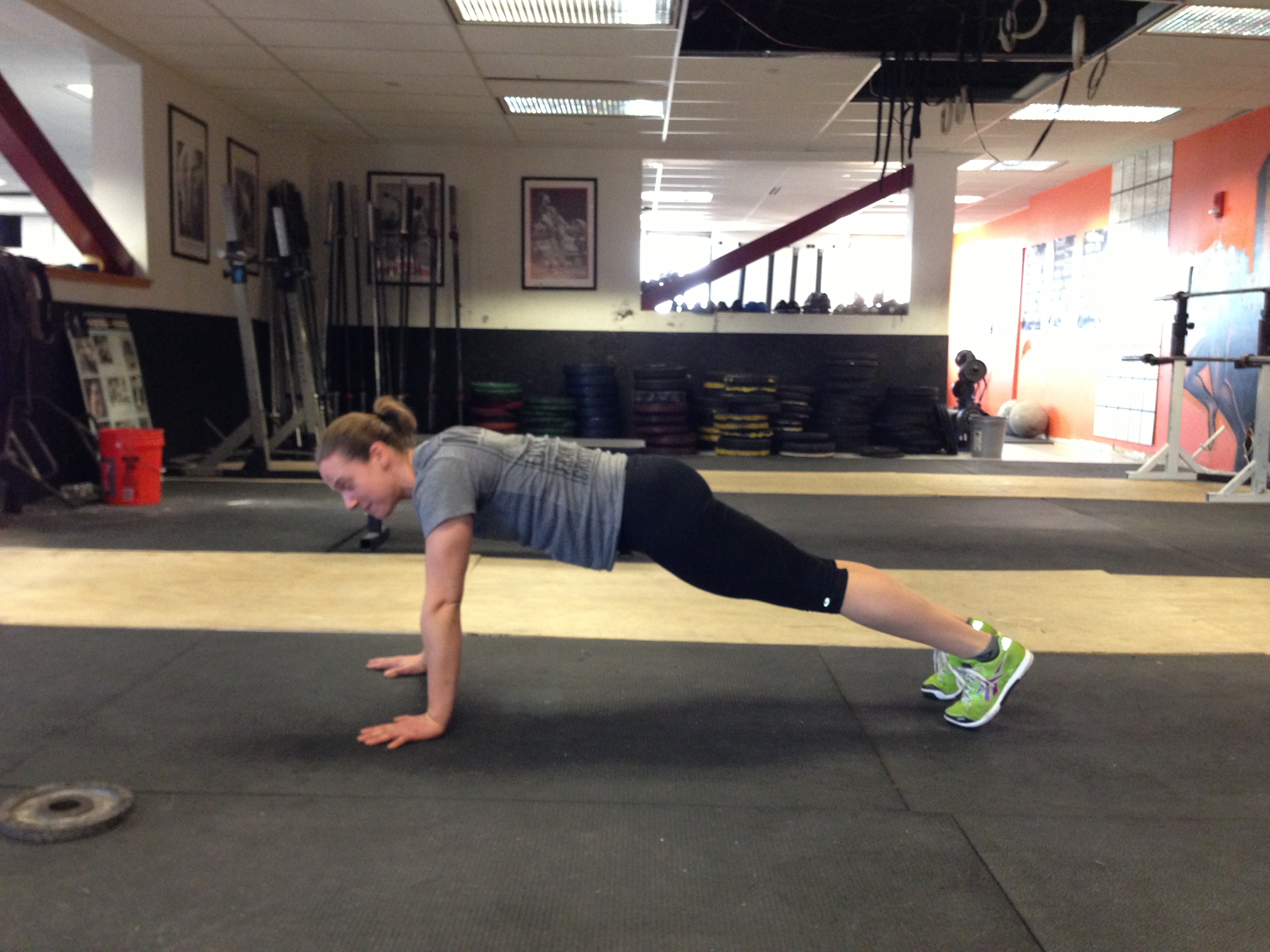
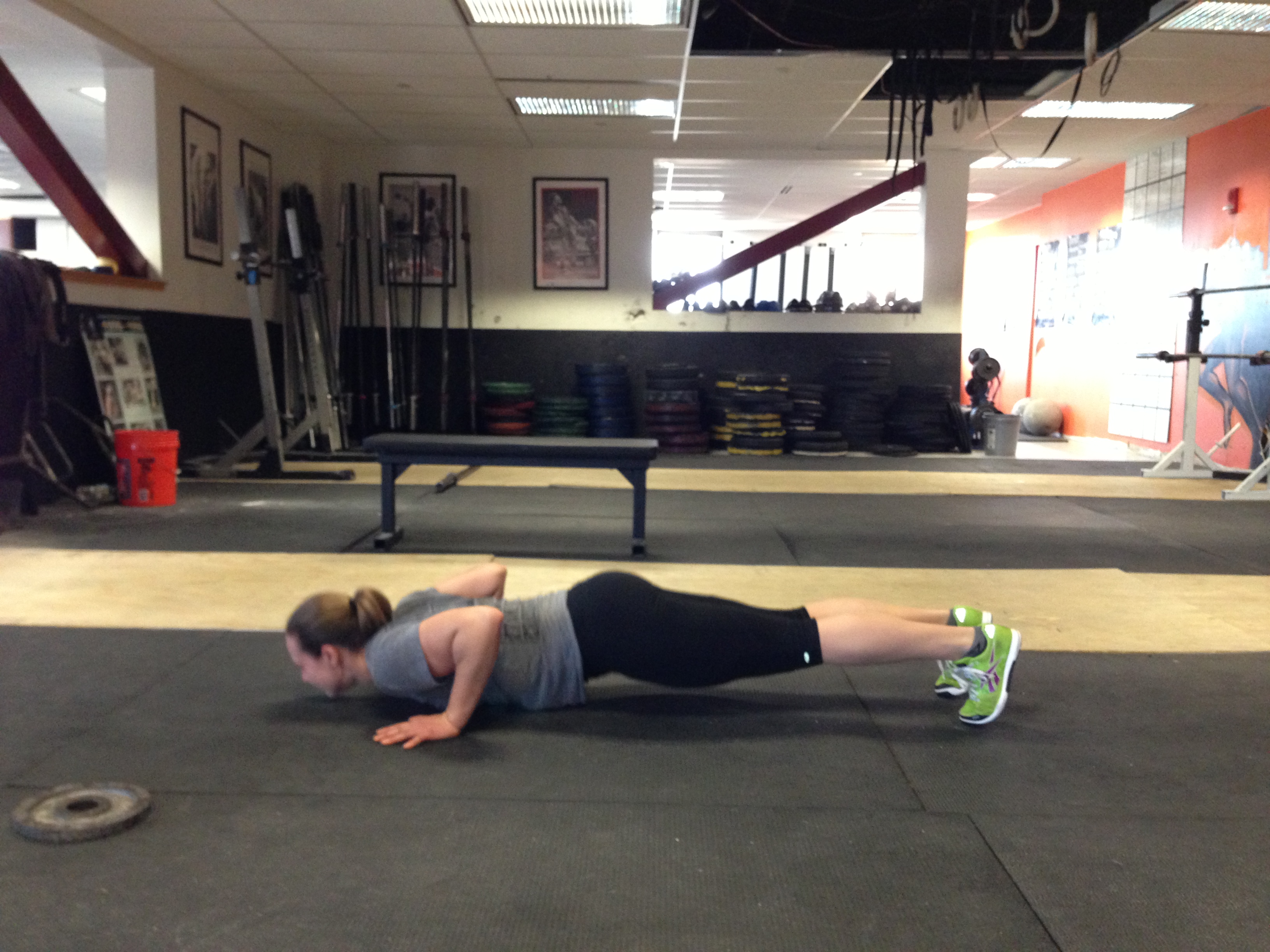
The inch worm is a great stabilizing exercise if you try to keep the hips and torso quiet. Then when you add the push up, connection of the feet and hands come into play. Keep that core firm and ensure everything touches and leaves the ground at the same time. Last but not least there is the kettle bell swing. Really focus on driving through the heels and activating the glutes and hamstrings while keeping a solid core.
Full depth push up!
Now hold up! What about all of the athletes out there that are using rowing as a cross training tool? You’re in luck. If you can piece together good efficient movement in the first three exercises then you should be able to crush the row for calories at the end of each round.
Your goal should be consistent, efficient strokes. For those that have been working on suspension and have tried a drill like the strap drill, you’ll want to fully suspend throughout each stroke in order to get done in as few strokes as possible. If you suspend well and can maintain a nice ratio then the rowing part of this workout will become active rest and allow you to breathe. Don’t get me wrong, 10 calories is not much and you should be pushing the pace, but work on suspension and make the rowing as effortless as possible so you can crush the rest of this Rowing WOD.
Post your time and the fewest number of strokes it took to complete 10 calories!


 Renegade Rowing