Do you have timing? – Timing Your Nutrition

Here’s another great post from Renegade Dietitian Alex Black!

Timing Your Nutrition

Timing is a crucial part of almost every sport.  Baseball players must swing at the right time to connect with the ball and get a hit. Olympic lifters need to pull and drop under the weight at the right time to make a lift. And rowers focus on maintaining a steady pace and stroke rhythm while keeping in sync with the boat.  In much the same way that you would make and execute a race plan for a 2K test, it is important to plan when and what you eat surrounding workouts. In this post I’ll discuss the best foods to eat and when.  That way you can keep having awesome workouts.

Before a workout your body should have a topped off fuel tank. This means you should have enough glycogen (the body’s stored form of carbohydrate) stored as well as some more readily available from food. In general, pre workout meals or snacks should be:

  • Enough energy to prepare you for the workout without leaving you hungry or with undigested food in your stomach
  • Low in fiber and fat
  • Higher in carbohydrates
  • Moderate in protein

Meals low in fat and fiber will allow your stomach to empty in time so you can avoid stomach discomfort. The carbohydrates will top off glycogen stores, maintain blood sugar levels, and provide energy.  Protein will help you avoid hunger. In addition, it is important to be hydrated before exercise. The recommendation is that athletes drink 2-3 milliliters of water per pound of body weight at least 4 hours before working out to hydrate and get rid of any excess fluid (Rodriguez et al 2009). This means a 140 pound athlete should be drinking 280 – 420 milliliters of water, or about 1-2 8 ounce glasses or one standard 16.9 ounce water bottle (the smaller one typically found in your average convenience store fridge). For more on finding your hydration needs see my post on Hydration.

How much you need to eat depends on what time of day you workout and the volume and intensity of that day’s training. Many athletes have early morning workouts, and while you don’t need a big breakfast beforehand it is important to eat something. A snack with at least 30-60 grams of carbohydrate and 10-15 grams of protein with little fat and fiber should be sufficient. Try packing something convenient the night before so you can avoid missing your snack if you wake up too late (trust me, this is bad news). Good ideas include fruit, like an apple, peach, or banana paired with lean protein such as deli meat or jerky. You can also pack a few ounces of meat leftover from dinner.  I have done dried fruit and nuts or sunflower seeds but this may be too much fat for some people.

On the other hand, if your workout is later in the day or higher in volume or intensity you will need to eat a little more. If you are exercising within 2-3 hours of a meal then that meal should be sufficient so long as it provides adequate carbohydrates and protein. If 4 hours or more pass between a meal and a workout, add in a snack 1-2 hours beforehand so you will have enough energy and avoid being hungry. In general, carbohydrate intake should be higher surrounding workouts and lower throughout the rest of the day.

The key to remember is that finding a pre workout meal/snack that works for you is trial and error: experiment with a few things and stick with the ones that work. A meal that “works” will be convenient, provide enough energy to keep you going, and leave you free of cramping or stomach pain.

During the Workout Whether or not you need to take in energy during a workout depends on how long that workout lasts. For workouts one hour or less, maintaining hydration with water alone should be sufficient. For longer workouts recommendations suggest taking about 30-60 grams per hour (Stellingwerff et al 2011). Carbohydrate during a workout should be taken in small amounts in 15-30 minute intervals to avoid any stomach issues. The best options during a workout are high carbohydrate, low-fat foods like fruit or sports drinks.

Post Workout/Recovery is the most important time, as it is the time when your body reaps the benefits of all the hard work you’ve done. During the workout your body burns through your stored glycogen, you lose fluid to sweating, and muscle tissue is broken down. Recovery is when you can replenish your stored glycogen, replace lost fluid, and rebuild damaged muscles.

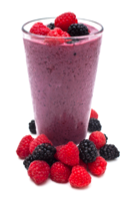
Within one hour of a workout you should aim to have 30-60 grams of carbohydrate and 15-20 grams of protein, and then repeat this every two hours for 4-6 hours (Rodriguez et al). So if you workout at 6 am, this could be met by eating 3 of the following times: post workout snack, breakfast, mid morning snack, or lunch.  Try to eat something that not only provides these nutrients but also provides vitamins and minerals. Research has shown that chocolate milk may be a good recovery option because the milk provides calcium and magnesium, two minerals important in muscle contractions, and potassium, which is an important electrolyte lost in sweat. So while a bacon, egg, and cheese bagel from Dunkin Donuts will provide the carbohydrates and protein you need, it provides little nutritional value in terms of vitamins, minerals, and electrolytes. Better snack options are fruit smoothie with yogurt or protein powder or deli meat or jerky and fruit. If you plan on eating a meal within an hour of working out, this can serve as your recover snack. Try a veggie omelet after a morning (or evening  – who doesn’t love breakfast for dinner) workout… you won’t be disappointed!

To Wrap it up…  

Eating good foods in the right amounts at the right time is important because you can’t out train a bad diet. So, the key things to remember are:

  • Eat enough before workouts so you have energy to crush them
  • Recover smart after the workout, so you will be ready and healthy to crush the next one
  • Choose whole, non processed foods as much as possible to give your body the vitamins, minerals, and antioxidants it needs

Recipe of the Week: Easy Pulled Pork

Why it’s awesome: It’s easy to make, tastes good hot, cold, or several days later as leftovers (if it lasts that long) and leaves a lot of room for flexibility. I’ve never made it with the same BBQ sauce and it’s come out great every time.

Ingredients

4-5 lbs of pork shoulder
McCormick’s Pork Rub
1/2 liter of diet ginger ale

1 ½ cups of water (optional: can use beer in place of water)
barbeque sauce (look for one that is HFCS-free and has a short, simple ingredients list)

Place meat in slow cooker. Pour in ginger ale and water (or beer) and add 2 TB of
pork rub. Cook on high 6-8 hours (I usually do 7). Remove meat and
pull apart using 2 forks. Remove undesirable pieces and place good
pieces in a casserole dish. Add pork rub (I use about 3 spoonfuls, but
it’ll depend on how spicy you like it and how much meat you used) and
barbeque sauce (I usually use the whole bottle but again, it’s per
your taste) and toss until it’s all mixed. Cover with foil and bake at
350 for 25-30 minutes.


Sources

1. Rodriguez NR, DiMarco NM, Langley S; American Dietetic Association; dietitians of Canada; American College of Sports Medicine. Position of the American Dietetic Association, Dietitians of Canada, and the American College of Sports Medicine: Nutrition and athletic performance. J Am Diet Assoc. 2009 Mar;109(3):509-27.

2. Stellingwerff T, Maughan R, Burke L. Nutrition for Power Sports: Middle-distance running, track cycling, rowing, canoeing/kayaking, and swimming. Journal of Sports Sciences. 29: Supp 1, S79-S89. 

Nutrition for Athletes: The Macronutrients – DC 5/23

Nutrition for Athletes: The Macronutrients

Energy in food comes from three nutrients called macronutrients: carbohydrates, protein, and fat. Each one plays a different but important role in helping your body function, perform, and recover optimally. In this post I’ll breakdown what each nutrient does, how much of it you need, and the best food sources. Next week I’ll talk about how to time the intake of these nutrients for the best performance and recovery.

Carbohydrate 

Carbohydrates provide fuel and are the body’s most readily available source of energy. When you eat carbohydrates, the body breaks them down into the simple sugar glucose, which is then transported throughout the body to provide energy, fuel important reactions, and maintain blood sugar levels. Any glucose not used immediately is stored in your liver as glycogen. During quick bouts of exercise, like a 100 meter sprint, the body uses glucose as the main source of fuel. But when it needs additional energy during longer workouts, it will draw on its glycogen stores, as well as stored fat, for energy. Having enough glycogen stored up for the body to use will allow you to perform at your best, both in competition and training. On the other hand, not getting enough carbohydrates and energy to meet your needs over an extended period of time can weaken your immune system – meaning you could get sick more often – and make you feel less energetic.

Carbohydrates come from a variety of sources, and some are better than others. Some of the better sources of carbohydrates include fruits and vegetables, starches like sweet potato, and some whole grains. Fruits and vegetables are the best sources of carbohydrates because they have more fiber and other nutrients like vitamins and minerals and are less energy dense. If you choose grains, make sure they are 100% whole grains like brown rice, quinoa, whole wheat bread or pasta, etc. The carbohydrates to avoid include baked goods, simple sugars (like table sugar and syrups), processed grains (or “white” grains), and other processed snack foods.

How much carbohydrate you need depends on the intensity and volume of training, gender, and type of sport. Research indicates that athletes need 6-12 grams of carbohydrate per kilogram of body weight (weight in kilograms = weight in pounds divided by 2.2). Women and less active athletes will be on the lower end of that range, while men or endurance athletes will be on the higher end. So for example, a 140-pound female rower doing intense preseason training would try to eat around 8 grams of carbohydrate per kilogram of body weight, or close to 500 grams of per day. However the same athlete would need about 380 grams of carbohydrate (6 grams per kilogram of weight) per day during the less intense off-season, and less than 6 grams per kilogram during times of inactivity like rest, vacation, or injury.

Protein

Protein is involved in many important reactions occurring in the body and is a primary component of hair, nails, DNA, and muscle. Not eating enough protein to meet your needs over time can lead to problems such as low energy levels, slowed healing of wounds like bruises and cuts, greater than normal muscle soreness, and trouble sleeping, among other things.  Athletes need protein to allow the body to recover and repair muscle fibers broken down during training. In addition, protein requires more energy to digest than carbohydrates or fat and has been shown to help moderate blood sugar levels and help maintain satiety. What his means is that protein not only rebuilds muscle and aids recovery but also helps you stave off hunger after meals and keeps you from having the dreaded “crash” you get a few hours after eating a high sugar food like a bagel or doughnut. 

The best sources of protein are lean animal products including chicken, lean beef, turkey, buffalo, fish and eggs. Protein is made up of chains of smaller units called amino acids, and of the 22 known amino acids 9 of them are not made by the body and must be obtained from the diet. Only animal products contain all 9 of these essential amino acids. You can also find protein in nuts and nut butters, seeds, soy, and dairy products however these items offer less protein and can have more sugar or fat per serving.

Protein needs vary depending on sport, gender, and volume of training. Current recommendations suggest that athletes need 1.2-1.7 grams of protein per kilogram of body weight. As with carbohydrate needs, women and those doing less volume will be on the lower end of that range while men and higher volume strength and endurance athletes will be on the higher end.

Fat

Fat is the body’s stored form of energy. During longer, moderate exercise like running, up to 50% of the body’s energy can come from fat metabolism. It is a key part of cell membranes, helps protect organs, and aids in the absorption of four key vitamins: A, D, K, and E. Fat slows down the rate that food is digested, and like protein helps moderate blood sugar and maintain fullness. But not all fats are created equal!

The good fats, unsaturated fats, include oils, nuts and nut butters, and fatty fish. One type of unsaturated fat – omega 3 fat – has been shown by research to help brain function and cognition, reduce inflammation, and reduce the risk of heart disease and cancer. You can find them in cold water fish like salmon and mackerel, flax seeds, pumpkin seeds, nuts, and plant and nut oils. The bad fats, or saturated fats, are solid at room temperature and include butter, mayonnaise, and salad dressing. Saturated fats are also found in higher fat meats. It’s important to remember that some saturated fat is okay, especially if it comes from red meat since red meat provides other important nutrients like iron (to prevent anemia) and zinc (helps with healing and immune system function). But wait! There is one exception to this rule, and that is coconut oil. Coconut oil is a saturated fat, but it is structured differently than other fats, making it easier to absorb during digestion. It has no negative effect on cholesterol like other saturated fats and has been reported to protect against heart disease, promote a healthy weight, and boost immune system function. There are no set recommendations for fat intake for athletes, but the important thing is making sure you get enough healthy fat, especially omega 3’s, by including nuts, seeds, oils, avocado, and meat in your diet regularly. Avoid fat from sources like baked goods, fried food, and fast food.  

And now for the recipe and daily challenge! On Monday coach Pat discussed the importance of preparation. Preparation is key for staying on track with a healthy diet, as oftentimes the “convenience foods” are the least nutritious. It takes effort and planning to get all the nutrients you need but it’s well worth it!

Daily Challenge 5/23: 

Plan to get a serving of omega 3 fats today!  Eat some fish like salmon, tuna, or halibut, or some nuts. Add flax seeds to your oatmeal or yogurt. Comment and tell us what you did! Also comment with any questions.

Recipe of the Week: Easy Spicy Salmon and Mashed Sweet Potatoes

I found this recipe online and it’s my new go-to when cooking salmon. The ingredients are in most pantries and prep time is short. This meal makes 3-4 servings and provides the protein and carbohydrate you need to recover as well as a serving of omega 3 fats. Add some green vegetables or a salad for a completely balanced (and awesome) meal!

Ingredients

1 lb salmon filets

1 clove garlic, minced

2 TB onion

1 ½ tsp pepper

¾ tsp paprika

¼ tsp cayenne

¾ tsp dried thyme

¼ tsp salt

1 TB olive oil

3 medium sweet potatoes

 Cinnamon to taste 

Salmon – Combine all the seasoning ingredients and mix well. Spread over salmon and bake skin side down 20-30 minutes at 350 degrees.

Sweet Potato – wrap 3 sweet potatoes in foil and bake at 400 degrees for 45 minutes, or until you can easily poke them with a fork. Let cool a few minutes. Unwrap and mash with potato masher. Add cinnamon to taste. Tip: Make the sweet potatoes the night before and reheat to avoid a traffic jam in the oven.

Understanding Food Labels – Daily Challenge 5/18

Here’s a great post on food labels by Renegade Dietitian Alex Black…Check out the daily challenge at the end and share your thoughts!

Understanding Food Labels

Food labels can be confusing. There’s a lot of information in a small space, and a sometimes lengthy and confusing ingredients list. Sometimes it feels like you need a well-honed set of detective skills and a chemistry textbook to decide whether or not something is a healthy choice. This week the Huffington Post published an article on “Gross Ingredients in Processed Foods” (read it here http://www.huffingtonpost.com/2012/05/11/gross-ingredients-processed-foods_n_1510516.html) and it got me thinking about all the crazy stuff that can end up in our food. Just a few weeks ago I challenged some Renegades to guess the identity of a food given the nutrition information and ingredients, and they were surprised to see how many ingredients could be added to something as simple as peanut butter. The beauty of eating whole foods (fruits, vegetables, meat, nuts and seeds, etc) is that you don’t have to worry about a confusing label! But hey, sometimes packaged food happens, so below are some general guidelines for reading a nutrition label and some information about a few of the more commonly added ingredients.

The Nutrition Label

You don’t have to inspect every piece of information on the label if you pay attention to a few key numbers…

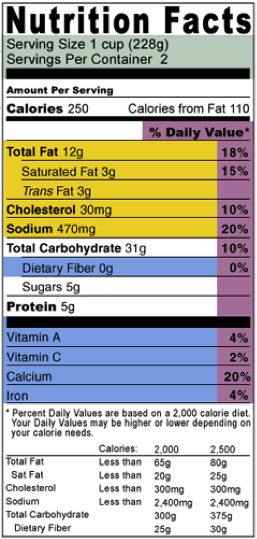
The first thing you want to look for is the serving size and servings per container so you know what type of portion you are working with. Pay extra attention to servings per container if you’re buying an individually packaged food (like nuts or trail mix from a convenience store), as they are often 2-4 servings per package.

Next look at calories. For the most part, try to limit foods that are high in calories but small in serving size. For example, ¼ cup of Naked Granola, or about 1 large handful, is 150 calories. That’s the same amount of calories in a banana and 1 tablespoon of nut butter. Which one sounds more filling? Note that whole nuts are the exception to this rule, as while they are energy dense, they also contribute to satiety and provide healthy fats, protein, and vitamins.

Now look at fat. Avoid packaged foods high in saturated fat and anything containing trans fat. If you’re looking for a snack to eat less than 2 hours before a workout, choose something lower in total fat, as a higher fat snack close to a workout could cause stomach pain and discomfort.

Finally, check the carbohydrate, sugar, and fiber content.  Ideally you want a food that is lower in sugar and higher in dietary fiber. Try to pick foods with less than 5-7 grams of sugar per serving. And if you are eating within 1-2 hours of a workout, choose something a little lower in fiber (less than 5 grams total) as this can, along with fat, cause stomach discomfort during the workout.

Also worth noting are the vitamins and percent daily values (DV). Percent Daily Values are based on the requirements for an adult consuming a 2,000 calorie diet. Even if you are eating less or more than that, they are still useful as an indicator that a food is high or low in a certain nutrient. If a food contains less than 5% of the DV it is low in that nutrient and if it contains greater than 20% DV it is high in that nutrient. Look for foods that are high in vitamins and minerals and low in sodium and cholesterol. There are no daily values for trans fat or sugar.

Ingredients 

It is also important to look at the ingredients list when comparing foods, as oftentimes there are “hidden” ingredients that you wouldn’t think to look for, like when there is added cane sugar, salt, and hydrogenated oil in your “natural” peanut butter. Foods are listed on the ingredients list in order of percentage by weight, so pay attention to the first few ingredients, as they usually make up the bulk of the food. You may also see “contains less than 2% of” followed by a list of items, and these are usually preservatives or additives to improve the texture and shelf life of the food. Here are a few things you will frequently see on ingredients lists:

High Fructose Corn Syrup, also known as HFCS, is made when corn is reacted with certain enzymes to convert some of the glucose to fructose. Over the past 30 years it has been added to a wide variety of processed foods in place of table sugar, known as sucrose. HFCS only contains 5% more fructose than sucrose and proponents of HFCS claim that the body cannot tell the difference, stating that no research can prove HFCS directly causes obesity. However, HFCS is typically associated with food products high in sugar, saturated fat, and empty calories, and since its addition to food production, obesity rates have skyrocketed. For the most part, HFCS and the foods that contain it should be limited.  

Soy Lecithin is extracted from soybeans and is a byproduct of soybean oil production. It is used in foods as an emulsifier, or something that keeps oil and water based ingredients from separating. Most often it is used in candy bars to keep cocoa and cocoa butter and in baked goods to help dough rise and make it less sticky. It is typically less than 1% of the food by weight and does not appear to have negative effects. In fact, it is high in choline, a nutrient also found in egg yolks and thought to improve brain and heart development. Some people use it as a supplement. While this ingredient is not inherently unhealthy, it is often found in baked goods, which are high in processed sugar and low in other nutrients.

Mono and di glycerides are fats from oils and are used as emulsifiers in foods like potatoes, chewing gum, and margarine. They are also used in baked goods to keep them from getting stale and extend the shelf life of food products. Mono and di glycerides may also contain trans fats.

Xantham Gum is a polysaccharide, this time formed from fermentation of bacteria (the same bacteria that causes vegetables to rot). It is used as a thickener in salad dressings and dairy products, helps keep crystals from forming in ice cream, and simulates a “fat feel” in some low-fat or nonfat dairy products.

Sorbitol is a sugar alcohol found naturally in some fruits (apples, peaches, prunes) but is also an artificial sweetener added to foods to improve sweetness and preserve shelf life. It can be found in many diabetic friendly foods, sugarless gum, and “low sugar” or “sugar free” items. Sorbitol is absorbed very slowly, and only some of it actually gets digested. Although it is found naturally in some foods, be careful with sorbitol, as it has a laxative effect if consumed in excess.

The most important thing to remember is that when it comes to food, simpler is always better! When comparing similar foods, pick the one with the shorter ingredients list.

This brings me to today’s challenge – NAME THAT FOOD.

Daily Challenge 5/18:

Name the following food!

Given the following nutrition label and ingredients list, can you tell us what food item this is? Post your answers to the comments, and I’ll give you the answer at the end of the day. The first person to comment the correct answer, or whoever gets the closest by the day’s end, gets a bonus point and a fist bump from coach Pat.

Nutrition Facts (for 1 serving)

Calories   100

Total fat   3 g

            Saturated fat   1 g

            Trans fat   0 g

Cholesterol   0 mg

Sodium   75 mg

Total Carbohydrates   17 g

            Sugar  7 g

            Dietary Fiber   1 g

Protein   2 g

Ingredients

GRANOLA (WHOLE GRAIN ROLLED OATS, BROWNSUGAR, CRISP RICE [RICE FLOUR, SUGAR, SALT, MALTED BARLEY EXTRACT],WHOLE GRAIN ROLLED WHEAT, SOYBEAN OIL, DRIED COCONUT, WHOLE WHEATFLOUR, SODIUM BICARBONATE, SOY LECITHIN, CARAMEL COLOR, NONFAT DRYMILK), SEMISWEET CHOCOLATE CHIPS (SUGAR, CHOCOLATE LIQUOR, COCOABUTTER, SOY LECITHIN, VANILLA EXTRACT), CORN SYRUP, BROWN RICE CRISP(WHOLE GRAIN BROWN RICE, SUGAR, MALTED BARLEY FLOUR, SALT), INVERTSUGAR, SUGAR, CORN SYRUP SOLIDS, GLYCERIN, SOYBEAN OIL. CONTAINS 2% OR LESS OF SORBITOL,CALCIUM CARBONATE, SALT, WATER, SOY LECITHIN, MOLASSES, NATURAL AND ARTIFICIAL FLAVOR, BHT (PRESERVATIVE), CITRIC ACID.

*****Answer******

Quaker Chewy Chocolate Chip Granola Bar

Break the Fast – Daily Challenge 5/11

Break the Fast!

 “Breakfast is the most important meal of the day”. Everyone’s heard it at least once, if not 100 times. It is the mantra of moms, grandparents, and teachers everywhere. But it’s true, and research continues to show that eating breakfast is beneficial to your health both in the short and long-term. Here are a few of the reasons breakfast is so important:

Energy

Every body needs a certain amount of fuel to perform the most basic functions, such as breathing, circulating blood and oxygen through the body, adjusting hormone levels, and growing or repairing cells. The more you ask of your body (as in, the more exercise you do), the more fuel it needs. During sleep, your body performs all of these functions as it repairs and rejuvenates your body. And depending on when you last ate and when you wake up, you can go anywhere from 8-15 hours without eating. If you skip breakfast and wait until lunch to eat, you could go over 16 hours without food!

Brain Power

Current research, including a review of studies dating back to the 1950’s, shows that eating breakfast is associated with better concentration, memory, and school achievement in children and adolescents compared to skipping breakfast. The brain is fueled primarily by glucose, the simple sugar also used as the body’s most readily available source of energy, found in most complex carbohydrates. Without an adequate supply of glucose, the brain does not function optimally, and skills like memory, alertness, and understanding of new information are negatively affected.

Health

Eating breakfast habitually has been shown to reduce risk of overweight and chronic disease in children, adolescents, and adults. One study found that men who skipped breakfast were 20% more likely to develop type 2 diabetes than men who didn’t, and people who ate breakfast had lower rates of heart failure through their lifetimes. In addition, people who eat a nutritious breakfast are more likely to make healthier food choices throughout the day.

Athletic Performance

As an athlete you need breakfast to help you maintain a balanced energy intake and fuel your brain and body for a day of training and school or work. Breakfast is especially important if you have morning workouts, as exercising after over 8 hours of fasting will result in lower energy levels, decreased performance, and poorer concentration. Basically, you won’t be able to go as hard, move as quickly, or focus as well as you would if you had some fuel in your body.

Eating before a morning workout can be challenging, but if you had a recovery snack and good dinner the night before, your glycogen stores will be topped off, so even a small amount of food will make a difference. Because you often wake up as late as possible and are short on time, the key is finding something that provides enough energy, is portable, and that you tolerate well. Your daily breakfast should contain carbohydrates, protein, fiber, and fat, but an early morning, pre-workout breakfast should be lower in fiber and fat because these two can cause stomach discomfort if eaten right before exercise. Some good options include a banana and a few almonds, apple and deli meat or jerky, trail mix with dried fruit and nuts, a fruit smoothie with protein powder, or a Lara bar. But remember that you can eat anything for breakfast, so don’t feel limited to “breakfast foods”. If you want last night’s leftovers at 7 am, go for it! The best choice for your pre-workout breakfast will depend on how much time you have between eating and training and how well your body tolerates fat and fiber close to exercise.

So to wrap it all up, breakfast is awesome. You should eat it everyday. And if you have to wake up and do something before breakfast, you should have some breakfast first. So today’s challenge is ….

Daily Challenge 5/11:

EAT BREAKFAST!

Try to include the four important nutrients – protein, carbs, fat, fiber – and tell us what you had in the comments.

Recipe of the Week: Omelets

The great thing about omelets is that they are easy, a good source of protein, and leave lots of room for variety. Just like with salads, you can change-up some of the fillings to get a totally different meal. You can add anything to an omelet – broccoli, bacon, chicken, asparagus… most veggie and meat combinations make for delicious omelets. Below are two of my basic go-to omelet recipes. Add some fruit for a complete and awesome breakfast. And as a bonus, these make a great, quick dinner meal too!

Simple Greek Omelet

2-3 eggs

¼ cup feta cheese

½ cup baby spinach

1-2 Tb red onion, chopped

¼ cup tomato, chopped

Sauté spinach and onion and set aside. Crack eggs into a bowl and whisk. In a medium pan, heat a little coconut or olive oil over medium-low heat. Pour eggs into pan and add fillings. Cook until egg is done (center is no longer liquid and bottom is lightly browned). Use spatula to close, let sit about 30 seconds, and move to plate.

Veggie and Meat Omelet

2-3 eggs

¼ cup bell pepper (any color or combination), chopped

¼ cup yellow onion, chopped

1 slice Canadian bacon or ham

¼ cup tomato, chopped

¼ cup of any other veggie (broccoli, mushrooms, etc)

Cook Canadian bacon until slightly brown, chop and set aside. Also sauté pepper and onion, set aside. Crack eggs into a bowl and whisk. In a medium pan, heat a little coconut or olive oil over medium-low heat. Pour eggs into pan and add fillings. Cook until egg is done (center is no longer liquid, bottom is lightly browned). Use spatula to close, let sit about 30 seconds, and move to plate. Top with salsa if desired. 

Color Color Color! – Daily Challenge 5/3

Here’s this weeks Nutrition Post and Challenge from our Renegade Dietitian – Alex Black!

COLOR COLOR COLOR!

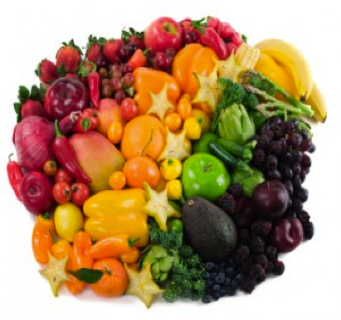
Skittles candy made the slogan “Taste the Rainbow” famous with edgy ads marketing their colorful candy. But the same idea applies to fruits, vegetables, meats, and other foods too. Colorful foods like fruits and vegetables have higher concentrations of vitamins than some plainer foods like white bread, fried potatoes, or baked goods, and certain colored foods have higher concentrations of particular vitamins or minerals than others. Nowadays many foods like cereal and juices are fortified with certain vitamins and minerals, but fruits and vegetables still provide the most variety of nutrients in a single item without any added sugars or preservatives. For example, many cereals are fortified with small amounts of B vitamins, folic acid, and in some cases iron, but if you eat a cup or two of spinach you can get vitamin A, folic acid, iron, calcium and fiber.  And like we talked about Friday, food is always better than a multivitamin, because the body only absorbs about 10% of the nutrients from a vitamin pill. The best way to be sure you get all the nutrients you need is to eat a balanced diet with plenty of colorful foods. Here area few examples of vitamin and color combinations:

ORANGE = Vitamin A and carotenoids

Vitamin A plays an important role in maintaining healthy vision and bone growth and helps regulate the immune system, allowing it to better fight off infections. It also aids in keeping the surface lining of your eyes, respiratory tract, and digestive system healthy. You can find vitamin A in small amounts in milk, cheese, and eggs, but orange-tinted foods like sweet potato, carrots and carrot juice, and cantaloupe have over 100% of the daily value per serving. Other good sources of vitamin A include spinach, kale, apricot, mango, broccoli bell peppers, and papaya.

GREEN = Folate

Folate is a B vitamin that is important for making new cells and is very important during times of growth and pregnancy. Your body needs folate to make DNA (a key component in your genes). Folate is also needed to make red blood cells and is important, along with iron, for preventing anemia. Anemia causes tiredness and lack of energy and can negatively affect your performance. Many foods are fortified with folate, but some good green sources include spinach, asparagus, broccoli, avocado, and peas. You can also find it in fortified breakfast cereal and lentils. In addition to folate, green vegetables provide a variety of vitamins and minerals like vitamin A, vitamin C, iron, calcium, and fiber.

RED = zinc and iron

Iron is a mineral that is part of many proteins and enzymes (enzymes are proteins that help speed up important reactions in the body). Iron is most well-known for its role in hemoglobin, a component of red blood cells that help with the transport of oxygen throughout the body. Without enough iron you can develop anemia, which occurs when your red blood cells don’t have enough hemoglobin. Anemia causes symptoms like fatigue, decreased ability to concentrate, trouble maintaining body temperature, and poor immune system function.

Zinc is an essential component in many reactions in the body including those that keep your immune system healthy, help the body make proteins (part of muscle), help wounds heal, and is important for growth during adolescence. You need to eat zinc regularly because your body has no real way of storing it.

Zinc and iron are both found in red meat such as beef and buffalo, but you can also find both in oysters, pork loin, and chicken. Other sources of zinc are yogurt and cashews and other sources of iron are crab, tuna, and turkey.

Daily Challenge 5/3:

Eat a meal with at least 3 colors.

You can mix them up in a salad, have a meal or snack with a few different items, or blend it all together in a smoothie. Let us know what you ate, or take a picture and share it! Below you’ll find a recipe to get you started.

RECIPE OF THE WEEK:

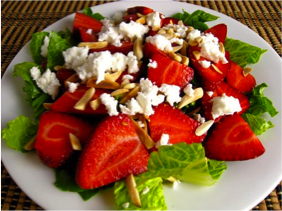
Sweet Summer Salad

1 breast of chicken, grilled or sautéed with cooking spray

¼ cup feta cheese

½ cup strawberries

1-2 slices red onion

2 cups lettuce (romaine, spinach, or a combination)

2 TB walnuts or sliced almonds

1 TB sunflower seeds

Mix together in a salad bowl or plate and enjoy. If you don’t have sunflower seeds or nuts you can leave them off. You can also add bell peppers or shredded carrots if you have them. This tastes great as is, but if you need salad dressing the best option is light balsamic vinaigrette. This salad makes a great lunch paired with a piece of fruit or some baked sweet potato.