Color Color Color! – Daily Challenge 5/3

Here’s this weeks Nutrition Post and Challenge from our Renegade Dietitian – Alex Black!

COLOR COLOR COLOR!

Skittles candy made the slogan “Taste the Rainbow” famous with edgy ads marketing their colorful candy. But the same idea applies to fruits, vegetables, meats, and other foods too. Colorful foods like fruits and vegetables have higher concentrations of vitamins than some plainer foods like white bread, fried potatoes, or baked goods, and certain colored foods have higher concentrations of particular vitamins or minerals than others. Nowadays many foods like cereal and juices are fortified with certain vitamins and minerals, but fruits and vegetables still provide the most variety of nutrients in a single item without any added sugars or preservatives. For example, many cereals are fortified with small amounts of B vitamins, folic acid, and in some cases iron, but if you eat a cup or two of spinach you can get vitamin A, folic acid, iron, calcium and fiber.  And like we talked about Friday, food is always better than a multivitamin, because the body only absorbs about 10% of the nutrients from a vitamin pill. The best way to be sure you get all the nutrients you need is to eat a balanced diet with plenty of colorful foods. Here area few examples of vitamin and color combinations:

ORANGE = Vitamin A and carotenoids

Vitamin A plays an important role in maintaining healthy vision and bone growth and helps regulate the immune system, allowing it to better fight off infections. It also aids in keeping the surface lining of your eyes, respiratory tract, and digestive system healthy. You can find vitamin A in small amounts in milk, cheese, and eggs, but orange-tinted foods like sweet potato, carrots and carrot juice, and cantaloupe have over 100% of the daily value per serving. Other good sources of vitamin A include spinach, kale, apricot, mango, broccoli bell peppers, and papaya.

GREEN = Folate
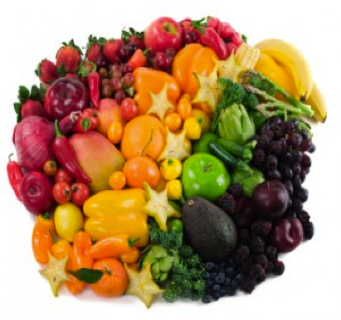
Folate is a B vitamin that is important for making new cells and is very important during times of growth and pregnancy. Your body needs folate to make DNA (a key component in your genes). Folate is also needed to make red blood cells and is important, along with iron, for preventing anemia. Anemia causes tiredness and lack of energy and can negatively affect your performance. Many foods are fortified with folate, but some good green sources include spinach, asparagus, broccoli, avocado, and peas. You can also find it in fortified breakfast cereal and lentils. In addition to folate, green vegetables provide a variety of vitamins and minerals like vitamin A, vitamin C, iron, calcium, and fiber.

RED = zinc and iron

Iron is a mineral that is part of many proteins and enzymes (enzymes are proteins that help speed up important reactions in the body). Iron is most well-known for its role in hemoglobin, a component of red blood cells that help with the transport of oxygen throughout the body. Without enough iron you can develop anemia, which occurs when your red blood cells don’t have enough hemoglobin. Anemia causes symptoms like fatigue, decreased ability to concentrate, trouble maintaining body temperature, and poor immune system function.

Zinc is an essential component in many reactions in the body including those that keep your immune system healthy, help the body make proteins (part of muscle), help wounds heal, and is important for growth during adolescence. You need to eat zinc regularly because your body has no real way of storing it.

Zinc and iron are both found in red meat such as beef and buffalo, but you can also find both in oysters, pork loin, and chicken. Other sources of zinc are yogurt and cashews and other sources of iron are crab, tuna, and turkey.

Daily Challenge 5/3:

Eat a meal with at least 3 colors.

You can mix them up in a salad, have a meal or snack with a few different items, or blend it all together in a smoothie. Let us know what you ate, or take a picture and share it! Below you’ll find a recipe to get you started.

RECIPE OF THE WEEK:

Sweet Summer Salad
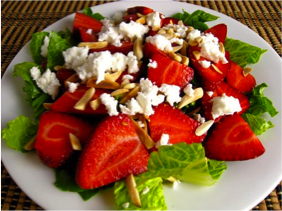
1 breast of chicken, grilled or sautéed with cooking spray

¼ cup feta cheese

½ cup strawberries

1-2 slices red onion

2 cups lettuce (romaine, spinach, or a combination)

2 TB walnuts or sliced almonds

1 TB sunflower seeds

Mix together in a salad bowl or plate and enjoy. If you don’t have sunflower seeds or nuts you can leave them off. You can also add bell peppers or shredded carrots if you have them. This tastes great as is, but if you need salad dressing the best option is light balsamic vinaigrette. This salad makes a great lunch paired with a piece of fruit or some baked sweet potato.
The Firsthand Athlete – Daily Challenge 5/1

The Firsthand Athlete

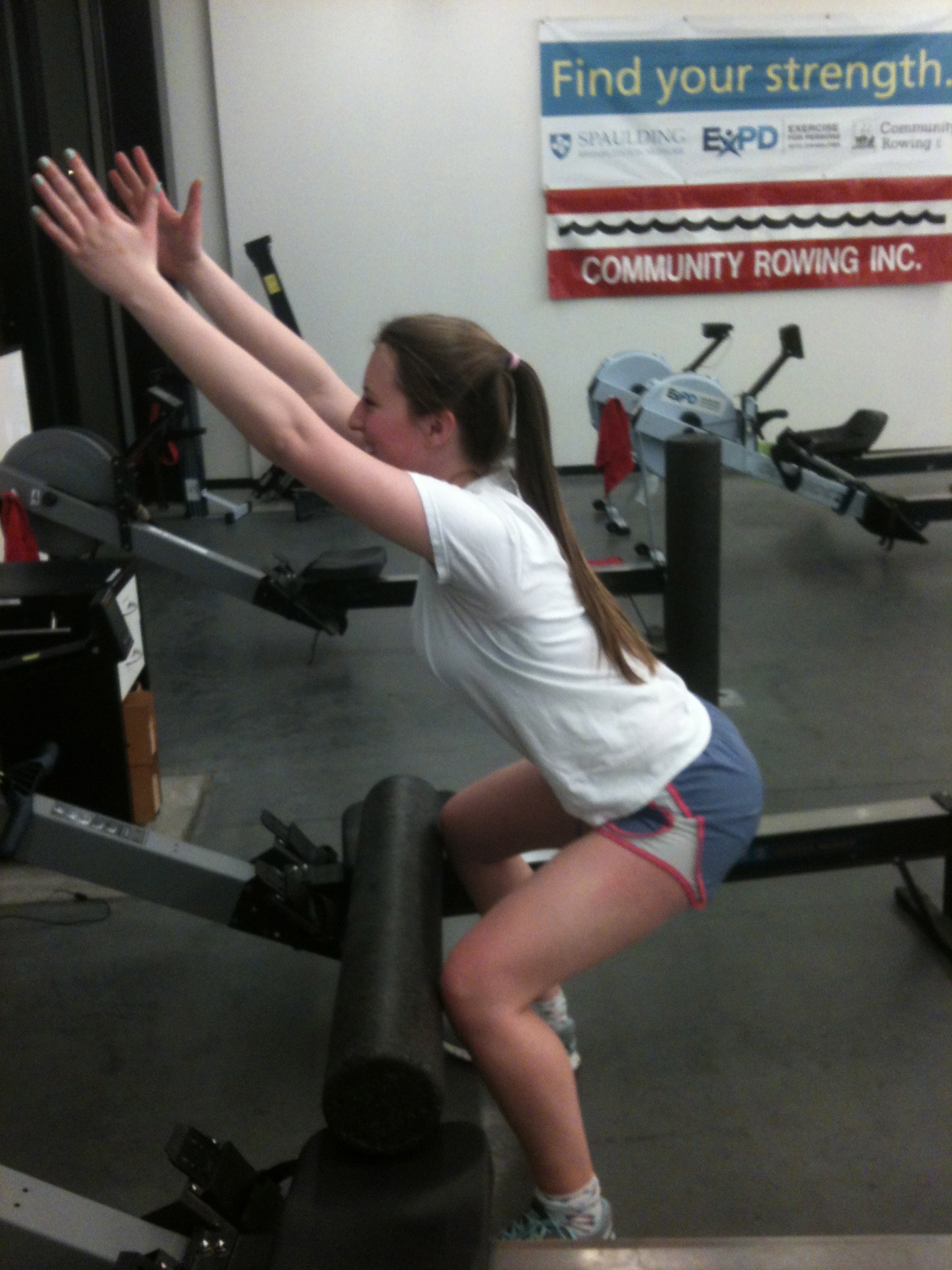
Sarah D's Firsthand Experience with the Air Squat

A firsthand athlete has the competence and confidence to rely on personal experiences to prepare for, execute, and learn from a performance both as an individual and as part of a team.  Rowing is a unique sport in that there is no coach calling plays, talking you through the pre-race warm-up, or cueing you on that one technical or tactical fix during a race.  The same goes for fitness, when an athlete is away on vacation there is no coach to walk them through a workout.  When a rower shoves off the dock on race day or goes home for vacation it’s up to them to know what to do, what to think about, what to fix, and what to focus on.  The firsthand athlete actively communicates with their body, teammates, and coaches to continually learn and work towards their goals.

Daily Challenge 5/1:

Perform a Cook’s Squat for 5 minutes.

Infants do cook's squats all the time!

This challenge is to give you a chance to experience what parts of your body might be tight, limited in range of motion, and need some extra focus in the coming weeks.  To perform a cook’s squat imagine you are out in the woods camping.  There is nothing to sit on but wet, muddy ground.  To rest your body while cooking over a small fire the easiest thing to do is drop into a deep squat and try to relax all the muscles in your legs and back.  Notice where you start to feel a stretch, an impingement, or pain.  That might be an area to work on.  If you can’t hold the Cook’s Squat for 5 minutes just hold it as long as you can and then come out of it.

Share your Firsthand Experience and let us know how it went!

Hydration and Electrolyte Balance

Drink up Renegades!  Here’s a post from Alex our Dietitian about why it’s important…

“It is important to stay hydrated. Dehydration can be dangerous and will hurt your performance. You need 8 glasses of water a day. Replete your electrolytes with a sports drink.”

I would bet most people have heard this advice at one time or another. But what does this really mean? Where do these recommendations come from? In this post I’ll talk about the three states of hydration, help you find your daily fluid needs, and explain what electrolytes are and how to get them from food.

Hydration is important because the human body is made up of about 60-75% water depending on age. You are sufficiently hydrated when there is enough liquid in your body to reach all the tissues that need it to function normally.

Dehydration occurs when your body does not have enough fluid to function normally. This happens when you lose more fluid, usually from sweating, than you are able to take in. You are considered to be in a state of dehydration when you lose 2-3% of your body weight in fluid. This means that if a 130-pound girl loses more than 2 ½ pounds during exercise, she reached a state of dehydration during that workout. At a loss over 3% of your body weight, which for a 130-pound girl would be about 4 pounds, you can begin to see impairment in motor function and mental ability – meaning you will start to feel confused, uncoordinated, and fatigued.

How much do you need? On average you need about 30 milliliters (ml) of fluid per kilogram (kg) of body weight to maintain hydration. For most people this is around 2 liters, or the commonly suggested “8 glasses a day”. However there are many factors that can increase the amount of fluid you need. These include:

Weight

People who weigh more need more water. So while a 120-pound athlete needs just under 7 glasses of water per day, his or her 180 pound coach would need a little over 10 glasses to stay well hydrated.

Climate

Dehydration can occur in all types of weather. When it is hot you lose more water to sweat, and in colder weather you may not sweat as much but you will lose more fluid during breathing. Yes, you can lose fluid this way! The average person loses about 500 ml, or 2 cups, of water per day simply breathing. And according to one study, you can lose 42% more water, or almost a cup, when you breathe through your mouth instead of your nose. And in the middle of a 2K test or a 5K on the water, I’d bet most people are breathing through their mouth, at least by the end!

Altitude also increases fluid needs, and experts recommend those exercising at higher altitudes drink 3-4 liters of water per day.

Finding your needs

First, find your weight in kg by dividing your weight in pounds by 2.2. Then multiply that number by 30 to find how many ml of fluid you need. Finally, since 240 ml is equal to 8 ounces, divide that number by 240 to find how many ounces you need.

For example, if I weight 145 pounds, I would do the following:

145 lb ÷ 2.2 = 65.9 kg

65.9 kg x 30 ml = 1,977 ml

1,977 ml ÷ 240 = 8.2 glasses of water/day

Hydration for Athletes

The number you just found is the amount of water you need before accounting for exercise. During exercise, you will need to drink some extra water. For optimal hydration, and give your body time to get rid of any excess fluid, drink 2-3 ml per pound of body weight 4 hours before exercise. Try to drink 8 ounces of water 15 minutes beforehand, and then continue to drink during the workout. A good rule is to drink enough water so that you feel energized and avoid thirst, but don’t drink so much that you feel full. This usually adds up to around 8-16 ounces per 30-60 minutes of exercise. After training you will have lost some fluid and need to replace it. Generally, the recommendation is to weigh yourself before and after practice, and drink 24 ounces of water for every pound you lost. After a few practices you will get an idea of how much you normally lose, and won’t have to do this very often.

Electrolytes also play an important role in hydration. The most common electrolytes are sodium, potassium, chloride, and bicarbonate, and these help maintain fluid and electrical balance in the body.

Sodium regulates the total amount of water in the body and maintains the proper function of nervous, muscular, and other systems.

Chloride helps maintain a normal balance of body fluid.

Potassium is responsible for regulating heartbeat and muscle function and is important in neuron function. Extreme high or low potassium levels can cause irregular heartbeat, which can be fatal.

Bicarbonate maintains the right amount of acidity in the blood and bodily fluids. *This is important because muscle cramping is most often related to an accumulation of acid in the muscles.

When you sweat, you lose electrolytes in addition to fluid. Gatorade, and most other recovery drinks, have 100-120 mg of sodium, and the following foods have at least that much, if not more, in a common serving size: salted nuts and seeds, trail mix, deli meat, eggs, most dairy products, canned tuna, humus, olives, pickles, and raw or cooked spinach. Most sports drinks contain about 30-90 mg of potassium, but this electrolyte can be replaced by eating foods such as raw nuts, yogurt, milk (or chocolate milk), fish, sweet potatoes, tomatoes, beans, peaches, and melons. Most of the time, unless you are training for an extended period (greater than 90 minutes) or in very hot or humid weather, sports drinks are generally not needed to maintain hydration and electrolyte balance.

But…don’t overdo it! While it is important to maintain fluid balance and avoid dehydration, it is possible to become over hydrated. This happens when you drink significantly more water than is lost with sweat, causing sodium levels to drop. Your body likes things to be in a nice, balanced place, and when things get too high or too low your body will tell you. Low sodium levels usually mimic heat stroke symptoms, and let you know something is up with dizziness, headaches, nausea, irritability, and confusion. Over hydration happens primarily with endurance athletes (marathon runners or cyclists, for example) and as a power athlete your risk for this is not as high. But it is important to keep in mind, especially if you’ve been hydrating well in hot weather and still feel like you might have heat illness. If this happens to you, stop training, and have a sports drink or eat something salty.

Recipe of the Week  – Sweet Potato Latkes

I found this recipe through a Google search, so the credit goes to the writers of the “Everyday Paleo” blog. But since finding it, I’ve made it a few times (I love it as a post-morning workout breakfast topped with a fried egg or two) and it’s pretty easy and delicious. The recipe makes 12 latkes, but depending on how big you make them you’ll eat about 2-3 at a time and the rest can be covered and left in the fridge. They reheat well, and if I didn’t have time to make an egg, I’d just add a little almond butter and honey on top for breakfast.

Ingredients

5 cups shredded sweet potato

2 eggs

2 TB minced onion

1 tsp cinnamon

Salt and pepper to taste

Coconut oil

Directions

Mix all the ingredients together in a large bowl. Heat a skillet over medium heat and melt a spoonful of coconut oil.   Take small handfuls of the potato mixture and drop onto the skillet and press down gently into little “cakes”.  Cook for 3-5 minutes on each side or until the cakes are golden brown and crispy and the potatoes are cooked all the way through. Top with poached or fried eggs if desired.