Break the Fast – Daily Challenge 5/11

Break the Fast!

 “Breakfast is the most important meal of the day”. Everyone’s heard it at least once, if not 100 times. It is the mantra of moms, grandparents, and teachers everywhere. But it’s true, and research continues to show that eating breakfast is beneficial to your health both in the short and long-term. Here are a few of the reasons breakfast is so important:

Energy

Every body needs a certain amount of fuel to perform the most basic functions, such as breathing, circulating blood and oxygen through the body, adjusting hormone levels, and growing or repairing cells. The more you ask of your body (as in, the more exercise you do), the more fuel it needs. During sleep, your body performs all of these functions as it repairs and rejuvenates your body. And depending on when you last ate and when you wake up, you can go anywhere from 8-15 hours without eating. If you skip breakfast and wait until lunch to eat, you could go over 16 hours without food!

Brain Power

Current research, including a review of studies dating back to the 1950’s, shows that eating breakfast is associated with better concentration, memory, and school achievement in children and adolescents compared to skipping breakfast. The brain is fueled primarily by glucose, the simple sugar also used as the body’s most readily available source of energy, found in most complex carbohydrates. Without an adequate supply of glucose, the brain does not function optimally, and skills like memory, alertness, and understanding of new information are negatively affected.
Health

Eating breakfast habitually has been shown to reduce risk of overweight and chronic disease in children, adolescents, and adults. One study found that men who skipped breakfast were 20% more likely to develop type 2 diabetes than men who didn’t, and people who ate breakfast had lower rates of heart failure through their lifetimes. In addition, people who eat a nutritious breakfast are more likely to make healthier food choices throughout the day.

Athletic Performance

As an athlete you need breakfast to help you maintain a balanced energy intake and fuel your brain and body for a day of training and school or work. Breakfast is especially important if you have morning workouts, as exercising after over 8 hours of fasting will result in lower energy levels, decreased performance, and poorer concentration. Basically, you won’t be able to go as hard, move as quickly, or focus as well as you would if you had some fuel in your body.

Eating before a morning workout can be challenging, but if you had a recovery snack and good dinner the night before, your glycogen stores will be topped off, so even a small amount of food will make a difference. Because you often wake up as late as possible and are short on time, the key is finding something that provides enough energy, is portable, and that you tolerate well. Your daily breakfast should contain carbohydrates, protein, fiber, and fat, but an early morning, pre-workout breakfast should be lower in fiber and fat because these two can cause stomach discomfort if eaten right before exercise. Some good options include a banana and a few almonds, apple and deli meat or jerky, trail mix with dried fruit and nuts, a fruit smoothie with protein powder, or a Lara bar. But remember that you can eat anything for breakfast, so don’t feel limited to “breakfast foods”. If you want last night’s leftovers at 7 am, go for it! The best choice for your pre-workout breakfast will depend on how much time you have between eating and training and how well your body tolerates fat and fiber close to exercise.

So to wrap it all up, breakfast is awesome. You should eat it everyday. And if you have to wake up and do something before breakfast, you should have some breakfast first. So today’s challenge is ….

Daily Challenge 5/11:

EAT BREAKFAST!

Try to include the four important nutrients – protein, carbs, fat, fiber – and tell us what you had in the comments.

Recipe of the Week: Omelets

The great thing about omelets is that they are easy, a good source of protein, and leave lots of room for variety. Just like with salads, you can change-up some of the fillings to get a totally different meal. You can add anything to an omelet – broccoli, bacon, chicken, asparagus… most veggie and meat combinations make for delicious omelets. Below are two of my basic go-to omelet recipes. Add some fruit for a complete and awesome breakfast. And as a bonus, these make a great, quick dinner meal too!

Simple Greek Omelet

2-3 eggs

¼ cup feta cheese

½ cup baby spinach

1-2 Tb red onion, chopped

¼ cup tomato, chopped

Sauté spinach and onion and set aside. Crack eggs into a bowl and whisk. In a medium pan, heat a little coconut or olive oil over medium-low heat. Pour eggs into pan and add fillings. Cook until egg is done (center is no longer liquid and bottom is lightly browned). Use spatula to close, let sit about 30 seconds, and move to plate.

Veggie and Meat Omelet

2-3 eggs

¼ cup bell pepper (any color or combination), chopped

¼ cup yellow onion, chopped

1 slice Canadian bacon or ham

¼ cup tomato, chopped

¼ cup of any other veggie (broccoli, mushrooms, etc)

Cook Canadian bacon until slightly brown, chop and set aside. Also sauté pepper and onion, set aside. Crack eggs into a bowl and whisk. In a medium pan, heat a little coconut or olive oil over medium-low heat. Pour eggs into pan and add fillings. Cook until egg is done (center is no longer liquid, bottom is lightly browned). Use spatula to close, let sit about 30 seconds, and move to plate. Top with salsa if desired. 

Color Color Color! – Daily Challenge 5/3

Here’s this weeks Nutrition Post and Challenge from our Renegade Dietitian – Alex Black!

COLOR COLOR COLOR!

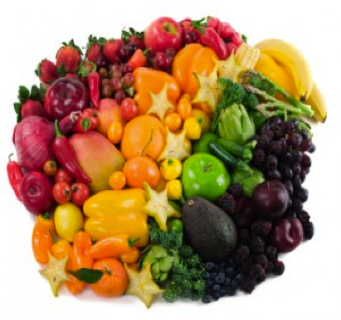
Skittles candy made the slogan “Taste the Rainbow” famous with edgy ads marketing their colorful candy. But the same idea applies to fruits, vegetables, meats, and other foods too. Colorful foods like fruits and vegetables have higher concentrations of vitamins than some plainer foods like white bread, fried potatoes, or baked goods, and certain colored foods have higher concentrations of particular vitamins or minerals than others. Nowadays many foods like cereal and juices are fortified with certain vitamins and minerals, but fruits and vegetables still provide the most variety of nutrients in a single item without any added sugars or preservatives. For example, many cereals are fortified with small amounts of B vitamins, folic acid, and in some cases iron, but if you eat a cup or two of spinach you can get vitamin A, folic acid, iron, calcium and fiber.  And like we talked about Friday, food is always better than a multivitamin, because the body only absorbs about 10% of the nutrients from a vitamin pill. The best way to be sure you get all the nutrients you need is to eat a balanced diet with plenty of colorful foods. Here area few examples of vitamin and color combinations:

ORANGE = Vitamin A and carotenoids

Vitamin A plays an important role in maintaining healthy vision and bone growth and helps regulate the immune system, allowing it to better fight off infections. It also aids in keeping the surface lining of your eyes, respiratory tract, and digestive system healthy. You can find vitamin A in small amounts in milk, cheese, and eggs, but orange-tinted foods like sweet potato, carrots and carrot juice, and cantaloupe have over 100% of the daily value per serving. Other good sources of vitamin A include spinach, kale, apricot, mango, broccoli bell peppers, and papaya.

GREEN = Folate

Folate is a B vitamin that is important for making new cells and is very important during times of growth and pregnancy. Your body needs folate to make DNA (a key component in your genes). Folate is also needed to make red blood cells and is important, along with iron, for preventing anemia. Anemia causes tiredness and lack of energy and can negatively affect your performance. Many foods are fortified with folate, but some good green sources include spinach, asparagus, broccoli, avocado, and peas. You can also find it in fortified breakfast cereal and lentils. In addition to folate, green vegetables provide a variety of vitamins and minerals like vitamin A, vitamin C, iron, calcium, and fiber.

RED = zinc and iron

Iron is a mineral that is part of many proteins and enzymes (enzymes are proteins that help speed up important reactions in the body). Iron is most well-known for its role in hemoglobin, a component of red blood cells that help with the transport of oxygen throughout the body. Without enough iron you can develop anemia, which occurs when your red blood cells don’t have enough hemoglobin. Anemia causes symptoms like fatigue, decreased ability to concentrate, trouble maintaining body temperature, and poor immune system function.

Zinc is an essential component in many reactions in the body including those that keep your immune system healthy, help the body make proteins (part of muscle), help wounds heal, and is important for growth during adolescence. You need to eat zinc regularly because your body has no real way of storing it.

Zinc and iron are both found in red meat such as beef and buffalo, but you can also find both in oysters, pork loin, and chicken. Other sources of zinc are yogurt and cashews and other sources of iron are crab, tuna, and turkey.

Daily Challenge 5/3:

Eat a meal with at least 3 colors.

You can mix them up in a salad, have a meal or snack with a few different items, or blend it all together in a smoothie. Let us know what you ate, or take a picture and share it! Below you’ll find a recipe to get you started.

RECIPE OF THE WEEK:

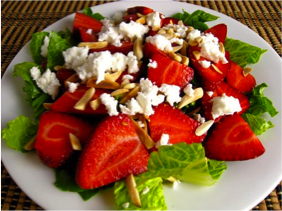
Sweet Summer Salad

1 breast of chicken, grilled or sautéed with cooking spray

¼ cup feta cheese

½ cup strawberries

1-2 slices red onion

2 cups lettuce (romaine, spinach, or a combination)

2 TB walnuts or sliced almonds

1 TB sunflower seeds

Mix together in a salad bowl or plate and enjoy. If you don’t have sunflower seeds or nuts you can leave them off. You can also add bell peppers or shredded carrots if you have them. This tastes great as is, but if you need salad dressing the best option is light balsamic vinaigrette. This salad makes a great lunch paired with a piece of fruit or some baked sweet potato.

Adventures With Food!

Post courtesy of Renegade Dietitian Alex Black.  Checkout the Daily Challenge below!

Helen Keller once said: “life is either a daring adventure, or nothing “, and I’d have to say I agree with her. If you think about it, everyday presents a new opportunity to learn something new or for something completely awesome to happen. And of course we always have the opportunity to make our own adventures. As part of the Renegade Challenge, we’ll be learning and trying all sorts of new things over the next month on our journey to become better athletes and better people.

So if we think about life as an adventure, shouldn’t we think about the food we eat everyday the same way? Some already do. Over the past ten years the food industry has gotten pretty creative about what they offer. They try lots of new stuff, like cereals that look like cookies, bagel “stix” prefilled with cream cheese, pink milk, white chocolate flavored peanut butter, purple ketchup… I could go on. If you’ve ever walked down the snack aisle of a supermarket, you know what I mean. Food companies spend millions of dollars coming up with creative new “food” items. But when you start eating more healthy unprocessed foods and making meals and snacks yourself, it can get a little more difficult to be creative. How often do you pack the same sandwich for lunch? Make the same breakfast for a month straight? Eat the same post workout snack every day? It’s so easy to fall into a food rut. But that gets boring. And when your diet becomes boring, it’s all to easy to start letting the food companies be creative for you. Enter the nutrition bar with 19 ingredients and the TV dinners that don’t taste nearly as awesome as home cooked meals.

But today’s challenge is about BREAKING FREE! Get out of the food rut. Do something different with food. It doesn’t matter if you try a food you’ve never tried before, eat a food you eat all the time in a different way, make something from scratch that you normally make with packaged ingredients, buy something completely weird and try it out, or just eat a food you used to eat all the time and haven’t had since you were a kid. Just do something adventurous! And of course, tell us how it went in the comments.

Daily Challenge 4/26:

Eat Something Adventurous!!!  Share your experience!

And to help get your creative juices flowing, this week I am sharing the recipe that inspired this post: chocolate pudding made with avocados. Because who would have thought you could make pudding with an avocado?! But it’s delicious! And it’s pretty rich so a few bites will satisfy that sweet/chocolate craving with some healthy fats and less sugar than regular pudding.

Chocolate Avocado Pudding (Courtesy of Kelly Alice)

Ingredients

2 small hass avocados

1/3 cup cocoa powder

¼ cup honey

1 tablespoon coconut oil

1 teaspoon vanilla extract

¼ cup almond milk (optional)

Just mix it all in a food processor or blender until smooth and enjoy! If you don’t have a food processor, you can just mix it all up in a mixing bowl with a potato masher. It may come out a little lumpier but it’ll also make clean up a little easier.

Hydration and Electrolyte Balance

Drink up Renegades!  Here’s a post from Alex our Dietitian about why it’s important…

“It is important to stay hydrated. Dehydration can be dangerous and will hurt your performance. You need 8 glasses of water a day. Replete your electrolytes with a sports drink.”

I would bet most people have heard this advice at one time or another. But what does this really mean? Where do these recommendations come from? In this post I’ll talk about the three states of hydration, help you find your daily fluid needs, and explain what electrolytes are and how to get them from food.

Hydration is important because the human body is made up of about 60-75% water depending on age. You are sufficiently hydrated when there is enough liquid in your body to reach all the tissues that need it to function normally.

Dehydration occurs when your body does not have enough fluid to function normally. This happens when you lose more fluid, usually from sweating, than you are able to take in. You are considered to be in a state of dehydration when you lose 2-3% of your body weight in fluid. This means that if a 130-pound girl loses more than 2 ½ pounds during exercise, she reached a state of dehydration during that workout. At a loss over 3% of your body weight, which for a 130-pound girl would be about 4 pounds, you can begin to see impairment in motor function and mental ability – meaning you will start to feel confused, uncoordinated, and fatigued.

How much do you need? On average you need about 30 milliliters (ml) of fluid per kilogram (kg) of body weight to maintain hydration. For most people this is around 2 liters, or the commonly suggested “8 glasses a day”. However there are many factors that can increase the amount of fluid you need. These include:

Weight

People who weigh more need more water. So while a 120-pound athlete needs just under 7 glasses of water per day, his or her 180 pound coach would need a little over 10 glasses to stay well hydrated.

Climate

Dehydration can occur in all types of weather. When it is hot you lose more water to sweat, and in colder weather you may not sweat as much but you will lose more fluid during breathing. Yes, you can lose fluid this way! The average person loses about 500 ml, or 2 cups, of water per day simply breathing. And according to one study, you can lose 42% more water, or almost a cup, when you breathe through your mouth instead of your nose. And in the middle of a 2K test or a 5K on the water, I’d bet most people are breathing through their mouth, at least by the end!

Altitude also increases fluid needs, and experts recommend those exercising at higher altitudes drink 3-4 liters of water per day.

Finding your needs

First, find your weight in kg by dividing your weight in pounds by 2.2. Then multiply that number by 30 to find how many ml of fluid you need. Finally, since 240 ml is equal to 8 ounces, divide that number by 240 to find how many ounces you need.

For example, if I weight 145 pounds, I would do the following:

145 lb ÷ 2.2 = 65.9 kg

65.9 kg x 30 ml = 1,977 ml

1,977 ml ÷ 240 = 8.2 glasses of water/day

Hydration for Athletes

The number you just found is the amount of water you need before accounting for exercise. During exercise, you will need to drink some extra water. For optimal hydration, and give your body time to get rid of any excess fluid, drink 2-3 ml per pound of body weight 4 hours before exercise. Try to drink 8 ounces of water 15 minutes beforehand, and then continue to drink during the workout. A good rule is to drink enough water so that you feel energized and avoid thirst, but don’t drink so much that you feel full. This usually adds up to around 8-16 ounces per 30-60 minutes of exercise. After training you will have lost some fluid and need to replace it. Generally, the recommendation is to weigh yourself before and after practice, and drink 24 ounces of water for every pound you lost. After a few practices you will get an idea of how much you normally lose, and won’t have to do this very often.

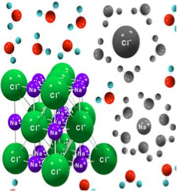
Electrolytes also play an important role in hydration. The most common electrolytes are sodium, potassium, chloride, and bicarbonate, and these help maintain fluid and electrical balance in the body.

Sodium regulates the total amount of water in the body and maintains the proper function of nervous, muscular, and other systems.

Chloride helps maintain a normal balance of body fluid.

Potassium is responsible for regulating heartbeat and muscle function and is important in neuron function. Extreme high or low potassium levels can cause irregular heartbeat, which can be fatal.

Bicarbonate maintains the right amount of acidity in the blood and bodily fluids. *This is important because muscle cramping is most often related to an accumulation of acid in the muscles.

When you sweat, you lose electrolytes in addition to fluid. Gatorade, and most other recovery drinks, have 100-120 mg of sodium, and the following foods have at least that much, if not more, in a common serving size: salted nuts and seeds, trail mix, deli meat, eggs, most dairy products, canned tuna, humus, olives, pickles, and raw or cooked spinach. Most sports drinks contain about 30-90 mg of potassium, but this electrolyte can be replaced by eating foods such as raw nuts, yogurt, milk (or chocolate milk), fish, sweet potatoes, tomatoes, beans, peaches, and melons. Most of the time, unless you are training for an extended period (greater than 90 minutes) or in very hot or humid weather, sports drinks are generally not needed to maintain hydration and electrolyte balance.

But…don’t overdo it! While it is important to maintain fluid balance and avoid dehydration, it is possible to become over hydrated. This happens when you drink significantly more water than is lost with sweat, causing sodium levels to drop. Your body likes things to be in a nice, balanced place, and when things get too high or too low your body will tell you. Low sodium levels usually mimic heat stroke symptoms, and let you know something is up with dizziness, headaches, nausea, irritability, and confusion. Over hydration happens primarily with endurance athletes (marathon runners or cyclists, for example) and as a power athlete your risk for this is not as high. But it is important to keep in mind, especially if you’ve been hydrating well in hot weather and still feel like you might have heat illness. If this happens to you, stop training, and have a sports drink or eat something salty.

Recipe of the Week  – Sweet Potato Latkes

I found this recipe through a Google search, so the credit goes to the writers of the “Everyday Paleo” blog. But since finding it, I’ve made it a few times (I love it as a post-morning workout breakfast topped with a fried egg or two) and it’s pretty easy and delicious. The recipe makes 12 latkes, but depending on how big you make them you’ll eat about 2-3 at a time and the rest can be covered and left in the fridge. They reheat well, and if I didn’t have time to make an egg, I’d just add a little almond butter and honey on top for breakfast.

Ingredients

5 cups shredded sweet potato

2 eggs

2 TB minced onion

1 tsp cinnamon

Salt and pepper to taste

Coconut oil

Directions

Mix all the ingredients together in a large bowl. Heat a skillet over medium heat and melt a spoonful of coconut oil.   Take small handfuls of the potato mixture and drop onto the skillet and press down gently into little “cakes”.  Cook for 3-5 minutes on each side or until the cakes are golden brown and crispy and the potatoes are cooked all the way through. Top with poached or fried eggs if desired.

Nutrition for Power Athletes – This Means YOU Rowers!

Listen up all you Renegade Rowers!  Here’s a great piece by our Renegade Dietitian, Alex Black, on what you should eat and when!

This week we’re talking nutrient requirements! It’ll be awesome, I promise. As I’m sure you know, athletes may do several two-a-days a week while juggling class and/or work, and may not always get adequate rest. This only makes the need for proper nutrition and recovery more important.  So as promised in my last post, I’ll go into a little more detail about protein and carbohydrates, how much of each you need, and the best way to recover after a tough workout.

Power Sports. Since I mentioned power sports earlier, let me take a minute to define that. A power sport is essentially any sport that requires high power output to be successful. Competition events usually last between 1-10 minutes in length. Examples include rowing, 800 m sprints, swimming, and some parts of CrossFit (think 7 minutes of burpees, Helen and Fran). The following nutrition recommendations are specifically for people training and competing in these types of sports.

Energy from food comes in the form of three types of nutrients called macronutrients: protein, carbohydrates, and fat. I will go into more detail about fat later, but for now I just want you to remember to include good fats like nuts, seeds, avocado, and oils in your diet while avoiding saturated fats found in fried and processed foods and baked goods.

Carbohydrates are the body’s most readily available form of energy. The body uses carbohydrate in the form of glucose and stores it in your liver as glycogen. During workouts and competitions your body will draw on its glycogen stores, as well as some stored fat, for energy. Having enough glycogen stored up for the body to use will allow you to perform at your best, both in competition and training. On the other hand, not getting enough carbohydrates and energy to meet your needs over an extended period of time can weaken your immune system – meaning you could get sick more often – and make you feel less energetic. And who wants to be tired when you’re trying to train and get better?

How much?  According to the most current research, power athletes need 6 – 12 grams of carbohydrate per kilogram of body weight per day (weight in kilograms = weight in pounds divided by 2.2) to keep up a healthy immune system and full glycogen stores. How much carbohydrate you need depends on the intensity and volume of your training, as well as whether you are male or female.

Females should shoot for an intake on the lower end of the recommended range, and males the upper end. So for example, a 120-pound female rower who is in intense preseason training would try to eat around 8 grams of carbohydrate per kilogram of body weight, or close to 440 grams of per day. However the same athlete would need less than 330 grams of carbohydrate (6 grams per kilogram of weight) per day during the off-season.
The best sources of carbohydrates are root vegetables, fruits, vegetables, dairy, and whole grains.
 __
Protein is one of the most important nutrients for athletes, and not getting enough over time can cause problems such as low energy levels, slowed healing of wounds like bruises and cuts, greater than normal muscle soreness, and trouble sleeping, among other things. Protein is involved in many important reactions occurring in the body and is a main component of hair, nails, and DNA.

Muscle is made of proteins, and eating enough protein allows your body to repair and rebuild muscle after it is broken down during training. The current recommendation is that athletes eat 1.2-1.7 grams of protein per kilogram of body weight per day. For our 120-pound rower, this comes out to between 65 and 93 grams of protein per day.
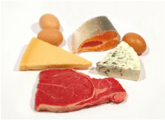
The best sources of protein are meat, eggs, and fish. Try to eat leaner meats like chicken, fish and turkey most of the time, but definitely add in some red meat too.

Lastly, timing of energy and nutrition intake is key. You may meet your energy needs for the day, but if you don’t time food around activity, you could still be low on fuel during the workout. It is important to have enough energy before a workout so you don’t hit a wall, and it is just as important to recover with protein and carbohydrates so that your body can repair itself and be ready for the next training session or competition. The ideal post workout snack will have 30-60 grams of carbohydrates and 15-25 grams of protein. The goal is to have this snack within an hour after finishing your workout. During this time your body is a well-oiled machine, working efficiently to repair and recover. So make the best of it by giving it what it needs!

RECIPES!

Now that I’ve talked math and nutrition, if you’re still with me, it’s time to talk food. I usually do one recipe with each post, but this time I’m going to give you three ideas for post workout snacks that will give you the nutrients you need, and I’ll explain why each of these snacks is great for recovery.

1. 3 slices of deli meat, 1 banana, 1 oz of almonds

The meat and nuts will combine to give you 15-20 grams of protein and 30 grams of carbohydrate. The banana is also a great source of potassium, an important electrolyte (we’ll talk about those later too) and almonds also have calcium, which not only promotes bone health but plays a key role in muscle contraction. This snack is also easy to transport (as long as you can keep the deli meat cool or eat it within 2 hours).

2. Smoothie – 1 cup of plain Greek yogurt, 1 cup of berries, and ½ cup of orange juice, ice. Blend in mixer or blender until smooth.  

The Greek yogurt meets your protein needs and the berries and juice will give you the carbohydrates you need. This can be refreshing in the warmer months, but is a little more difficult to transport. You can also throw some berries in a single-serving container of yogurt, or just grab a flavored Greek yogurt.

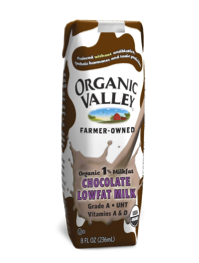
3. Chocolate Milk

Chocolate milk has recently been gaining favor as a recovery drink among athletes. Drinking a little over 1 cup will give you your 15 grams of protein and 30 grams of carbohydrates. Like the banana and almonds, chocolate milk contains potassium and calcium, both important recovery nutrients. Chocolate milk is tasty and portable. It’s perfect for sipping while you foam roll or work on stretching and mobility after your workout. Chocolate almonds milk provides the same benefits and is better if you are lactose intolerant or simply dislike milk.