Rowing WOD 10/15: Double Pyramids 2 x 19min w/ 2min Rest – Post Distance Rowed

Rowing WOD 10/15:

Double Pyramids

2 x 19min

w/ 2min rest between

(4′ @18, 3′ @20, 2′ @22, 1′ @24, 2′ @22, 3′ @20, 4′ @18)

Rhythm and Endurance are two necessities for successful competition in longer WODs.  A great example would be the KB Swings and Pull Ups found in “Helen”.  Those who find a consistent rhythm can flow through the movements naturally and rely on their aerobic endurance without dipping into their anaerobic energy supply.

In today’s Rowing WOD the focus is developing rhythm and endurance.  Another word for rhythm in rowing is Ratio.  By varying the ratio of the drive to the recovery rowers can maintain the same pace or split, but work more efficiently and make the stroke feel lighter or heavier.  

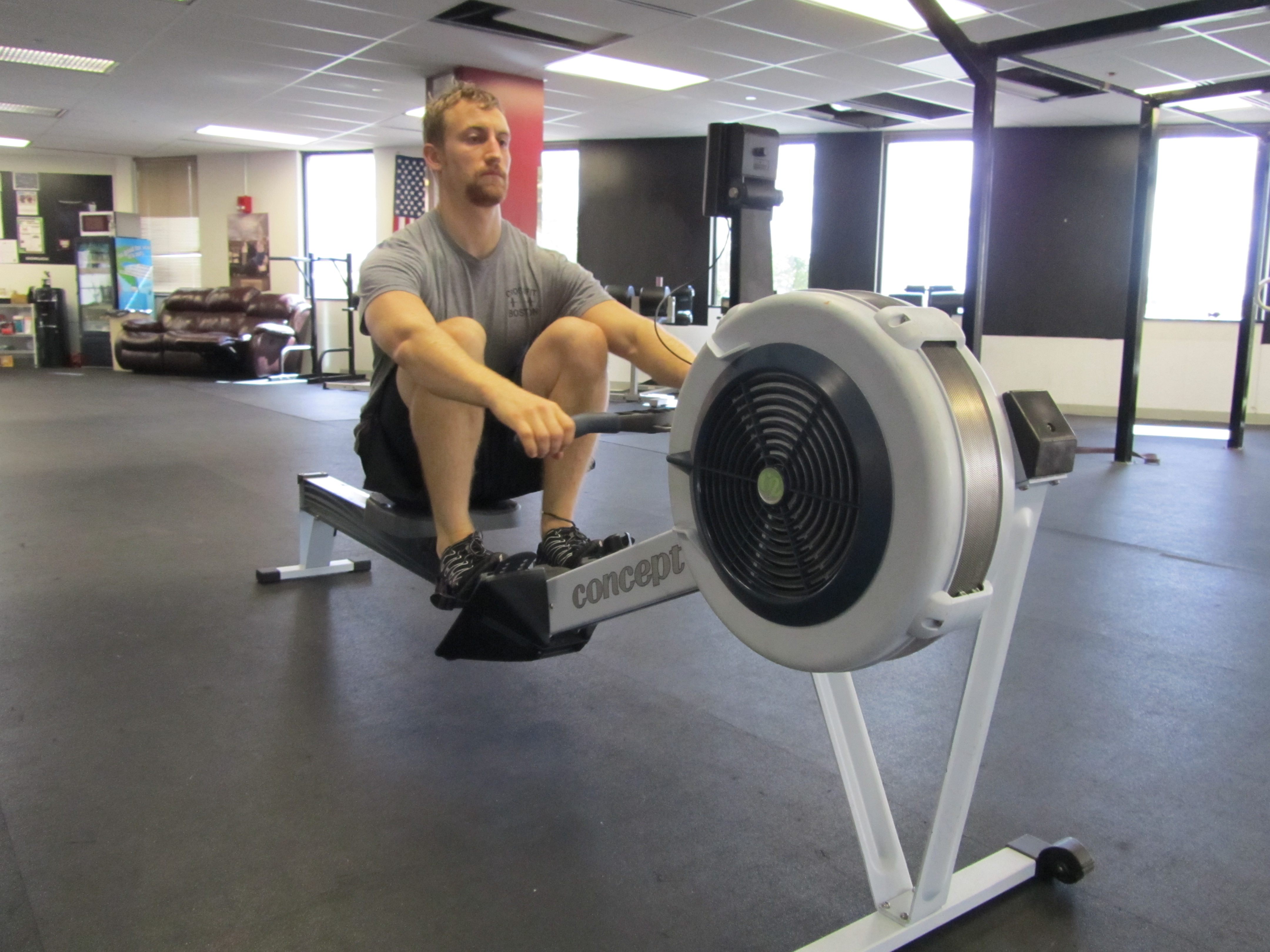
When going from an 18 stroke rating to a 20 you should focus on more pressure with the legs and quickly redirecting the hands through the finish.  This will help increase the stroke rating while leaving you the same amount of time to sit up, breathe, and relax as you slide forward on the recovery.

Post you’re distance rowed to our comments as well as your thoughts on Ratio.

Rowing WOD 10/13: 6 RFT – 250m Row, 15 Wall Balls, 1min Rest – Post Time

Wicked Good Nutrition’s Alex Black on Wall Balls

Rowing WOD 10/13:

6 Rounds For Time

250m Row (@2k – 2 Pace)

15 Wall Balls (20/14)

1min Rest

Wall balls are great because they’re a pushing movement to counteract the pulling on the erg, but even more important they can mimic the explosiveness and rhythm of the rowing stroke.  During the drive phase of a wall ball you’re driving through the heels and finishing on the toes with full extension of the hips.  As soon as the ball leaves your hands you begin the recovery just like in rowing and your body has a second to gather itself, find balance, breathe, and then begin to load up the legs for the next drive as you catch the ball and sit back into a squat.  In competition you may be focused on cycling through them and bouncing out of the bottom, but in training you can focus on being smooth and adding some control on the way down.  This will give you a sense of the feeling you need during the recovery on the erg.  When rowing we want to stay light on the foot-stretchers as we swing and slide up to the catch.  Just as we approach the catch we should feel the weight start to come on to the big toe/balls of our feet.  Then when we’re ready to connect the chain to the fly-wheel and drive we put all of our weight on the footboards and push through the whole foot trying to suspend from the handle.  As you warmup for Today’s Rowing WOD try to feel these things.  Gaining awareness of our bodies as we move through full range of motion is key to mastering all of the general physical skills we’re developing.

Post your Time to comments!

Rowing WOD 10/12: 4 x 6min w/ 4min Rest – Post Avg Splits

Rowing WOD 10/12:

4 x 6min w/ 4min Rest

Row As Follows:

  1. 3′ @26 s/m, 2′ @28 s/m, 1′ @30 s/m

  2. 3′ @28, 2′ @30, 1′ @32

  3. 3′ @28, 2′ @30, 1′ @32

  4. 3′ @30, 2′ @32, 1′ @34

When competing we need to be able to follow a game plan and execute it with control at full intensity, whether it’s a 5k row or a snatch ladder.  This weekend athletes at the Beast of the East will be rowing a 2k for one of the workouts.  Those that can develop a race plan, hit their splits, and stick to their stroke ratings will come out on top and be ready to crush the next workout.

Today’s Rowing WOD is all about focusing on that control and execution at full intensity.  Each piece should be full pressure trying to hold the lowest splits possible, but you must be able to maintain the prescribed stroke ratings.  When the stroke rating increases the split should come down.  If you choose your first split well, then by picking up the stroke rating throughout the piece you will be negative splitting or rowing faster at the end compared to the beginning.  In the middle of a competition weekend negative splitting a long row might be the best idea to feel out your body and not totally crush yourself.  Of course you still want to be getting after it and pushing it out in the last 250m.

Post your average 500m splits for each piece!

Rest Day 10/11: Go For a Walk! (Along a River if Possible)

Rowing seen walking along the Charles in Boston!

Rest Day 10/11:

Go For a Walk!

(Along a River if Possible)

Life get’s crazy, especially this time of year as we gear up for fall parties and the holidays.  Take 15 minutes today to stop.  Breathe.  And go for a walk.  If you’ve got a river or body of water nearby go for a stroll and watch some rowing.  How does the boat move in relation to the body?  What part of the stroke does the boat move the fastest?  How’s the form look compared to your erging?

If you’re lucky enough to do this please share your thoughts, where you were, and what you saw!

Rowing WOD 10/10: “Raise Your Rower” – 4 RFT, 500m Row, 15 OHS (55/45) – Post Time

Rowing WOD 10/10:

“Raise Your Rower”

4 Rounds For Time

500m Row (2k Pace)

15 Overhead Squats (55/45)

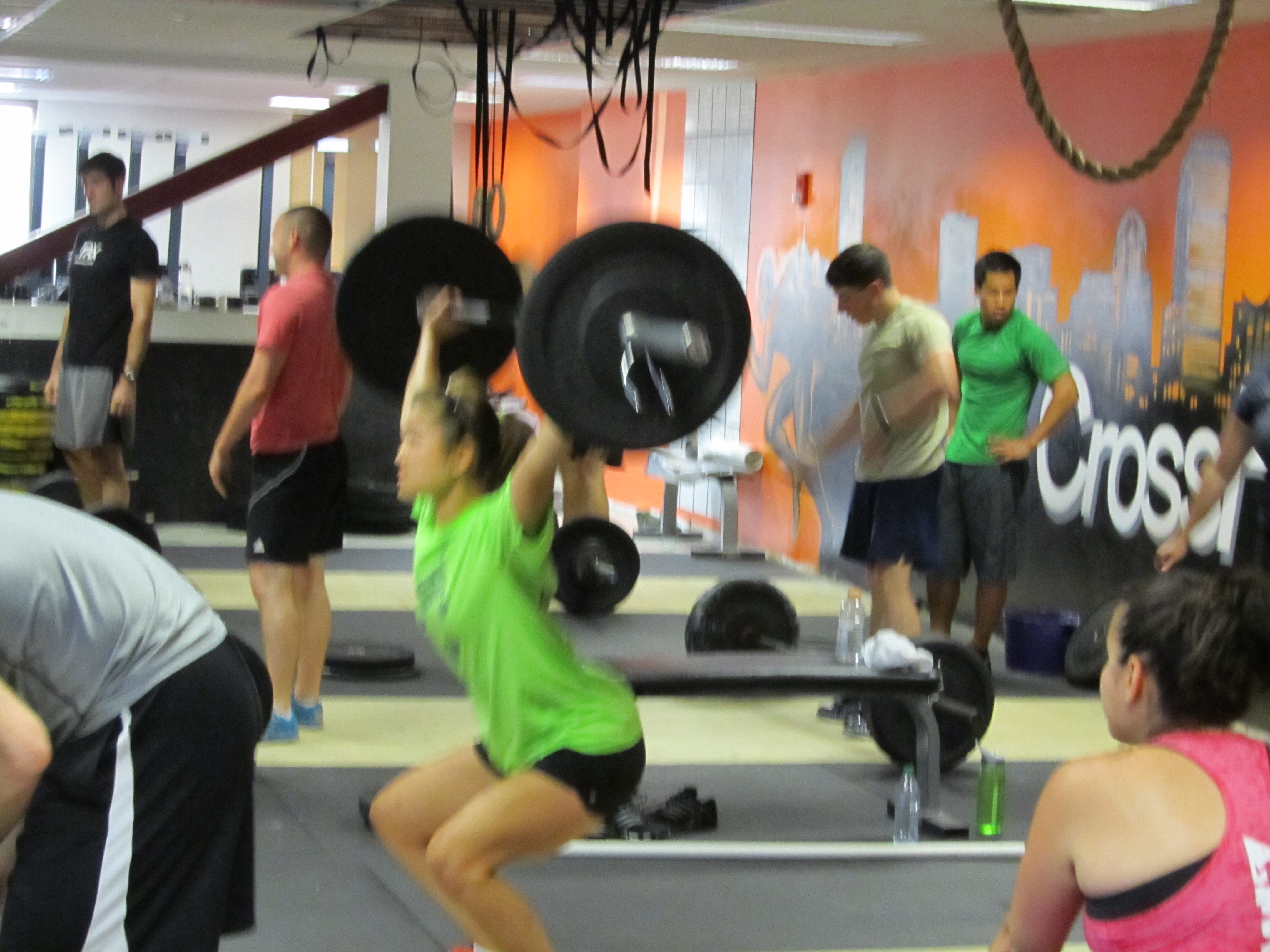
In life we need to be ready for the known and unknown.  Today’s Rowing WOD has that in mind.  Overhead squats are great for core stability and core awareness because everything must be engaged and working to keep that bar in a strong position overhead.  It’s been said ergs don’t float, even though all of the best teams have big erg scores.  In today’s workout imagine you’re saving your erg from a flood where you have to keep it up overhead to save it from the water, an unknown event we might not expect.  The erg weighs approximately 57 lbs and that’s why we’re going with 55 lbs in the workout.  Don’t underestimate the overhead squat though.  After 500m at 2k pace, a known event that we’re training for, you’ll want to really focus on midline stability and stay strong.

Post your average splits for each 500m piece and your overall time to comments.