Here’s this weeks Nutrition Post and Challenge from our Renegade Dietitian – Alex Black!
COLOR COLOR COLOR!
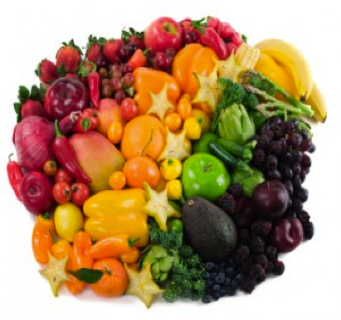
 Skittles candy made the slogan “Taste the Rainbow” famous with edgy ads marketing their colorful candy. But the same idea applies to fruits, vegetables, meats, and other foods too. Colorful foods like fruits and vegetables have higher concentrations of vitamins than some plainer foods like white bread, fried potatoes, or baked goods, and certain colored foods have higher concentrations of particular vitamins or minerals than others. Nowadays many foods like cereal and juices are fortified with certain vitamins and minerals, but fruits and vegetables still provide the most variety of nutrients in a single item without any added sugars or preservatives. For example, many cereals are fortified with small amounts of B vitamins, folic acid, and in some cases iron, but if you eat a cup or two of spinach you can get vitamin A, folic acid, iron, calcium and fiber. And like we talked about Friday, food is always better than a multivitamin, because the body only absorbs about 10% of the nutrients from a vitamin pill. The best way to be sure you get all the nutrients you need is to eat a balanced diet with plenty of colorful foods. Here area few examples of vitamin and color combinations:
ORANGE = Vitamin A and carotenoids
Vitamin A plays an important role in maintaining healthy vision and bone growth and helps regulate the immune system, allowing it to better fight off infections. It also aids in keeping the surface lining of your eyes, respiratory tract, and digestive system healthy. You can find vitamin A in small amounts in milk, cheese, and eggs, but orange-tinted foods like sweet potato, carrots and carrot juice, and cantaloupe have over 100% of the daily value per serving. Other good sources of vitamin A include spinach, kale, apricot, mango, broccoli bell peppers, and papaya.
GREEN = Folate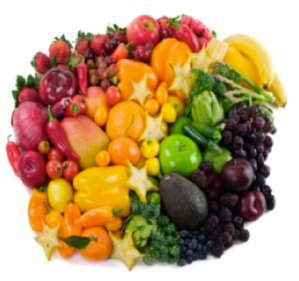
Folate is a B vitamin that is important for making new cells and is very important during times of growth and pregnancy. Your body needs folate to make DNA (a key component in your genes). Folate is also needed to make red blood cells and is important, along with iron, for preventing anemia. Anemia causes tiredness and lack of energy and can negatively affect your performance. Many foods are fortified with folate, but some good green sources include spinach, asparagus, broccoli, avocado, and peas. You can also find it in fortified breakfast cereal and lentils. In addition to folate, green vegetables provide a variety of vitamins and minerals like vitamin A, vitamin C, iron, calcium, and fiber.
RED = zinc and iron
Iron is a mineral that is part of many proteins and enzymes (enzymes are proteins that help speed up important reactions in the body). Iron is most well-known for its role in hemoglobin, a component of red blood cells that help with the transport of oxygen throughout the body. Without enough iron you can develop anemia, which occurs when your red blood cells don’t have enough hemoglobin. Anemia causes symptoms like fatigue, decreased ability to concentrate, trouble maintaining body temperature, and poor immune system function.
Zinc is an essential component in many reactions in the body including those that keep your immune system healthy, help the body make proteins (part of muscle), help wounds heal, and is important for growth during adolescence. You need to eat zinc regularly because your body has no real way of storing it.
Zinc and iron are both found in red meat such as beef and buffalo, but you can also find both in oysters, pork loin, and chicken. Other sources of zinc are yogurt and cashews and other sources of iron are crab, tuna, and turkey.
Daily Challenge 5/3:
Eat a meal with at least 3 colors.
You can mix them up in a salad, have a meal or snack with a few different items, or blend it all together in a smoothie. Let us know what you ate, or take a picture and share it! Below you’ll find a recipe to get you started.
RECIPE OF THE WEEK:
Sweet Summer Salad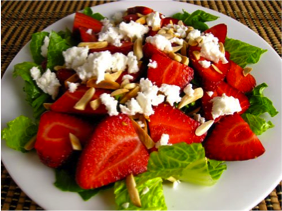
1 breast of chicken, grilled or sautéed with cooking spray
¼ cup feta cheese
½ cup strawberries
1-2 slices red onion
2 cups lettuce (romaine, spinach, or a combination)
2 TB walnuts or sliced almonds
1 TB sunflower seeds
Mix together in a salad bowl or plate and enjoy. If you don’t have sunflower seeds or nuts you can leave them off. You can also add bell peppers or shredded carrots if you have them. This tastes great as is, but if you need salad dressing the best option is light balsamic vinaigrette. This salad makes a great lunch paired with a piece of fruit or some baked sweet potato.






 Renegade Rowing